Today
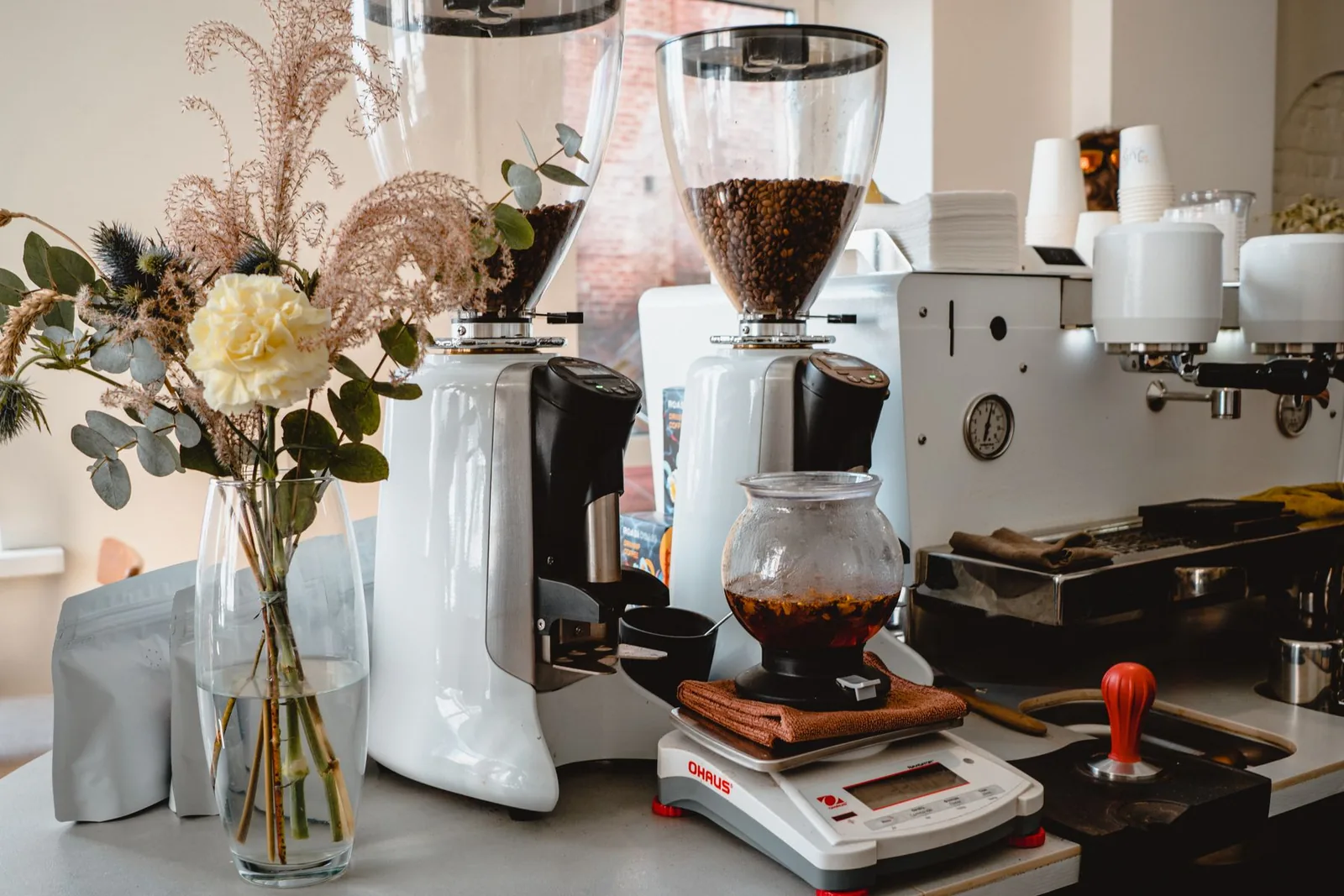
Three recent facts sum up the state of play. The reference for extraction has changed hands: Lockhart's diagram (1957) has been replaced since December 2024 by the Davis diagrams, which admit several “good coffees”; the SCA nevertheless continues to certify home coffee makers on the 18-22% window and 92-96 °C, with fifteen models certified between 2023 and 2026. Filter equipment has reached maturity: the V60 had not changed since 2004 and Hario brings out in May 2026 a NEO version with double ribs and Tritan resin, while “connected” coffee makers (Fellow Aiden, certified in 2024) reproduce the bloom and pulsed-pour recipes that Gagné described in 2021. In espresso, science has caught up with the counter: the 2020 model (less coffee, coarser, shorter) and profiling machines (Decent 2017, Strada, Slayer) have made “turbo shots” at 6 bars and 15 seconds a normal subject of discussion, while the mass market goes to capsules (29.6 billion dollars in 2024, recycling at 24.6%) and to cold ready-to-drink (more than 60% of a market of 3.4 to 3.9 billion in 2025). See also roasting, water and the cup.
Fresh Cup 2025; sca.coffee/certified-home-brewer (Sept. 7, 2026); Yanko Design, May 12, 2026; ScienceDaily, Jan. 22, 2020; IMARC 2024; Fortune Business Insights 2025; Wikipedia, NespressoIn this plateThe 17 sections
- 01What is extracted, and how it is measured
- 02Seven centuries of utensils
- 03Decoction: ibrik, cezve, Turkish coffee
- 04Steeping: cloth bag, French press, tasting cup
- 05Gravity percolation, from De Belloy to the V60
- 06Filters: paper, metal, cloth
- 07Percolators and electric coffee makers
- 08The siphon: steam pressure then vacuum
- 09Steam pressure: Rabaut, Loysel, the moka pot
- 10Espresso, from Moriondo to the E61
- 11Espresso today: machines, technique, profiling
- 12The grind: grinders, fines, retention
- 13Milk
- 14Cold coffee and nitro
- 15Measuring: scale, refractometer, thermometer, sieves
- 16Today
- 17Archive plates
The table of contents, with the first sentence of each section