Skip to content
PPXLROASTERS
PXL Roasters
  • History
  • PXL Roasters

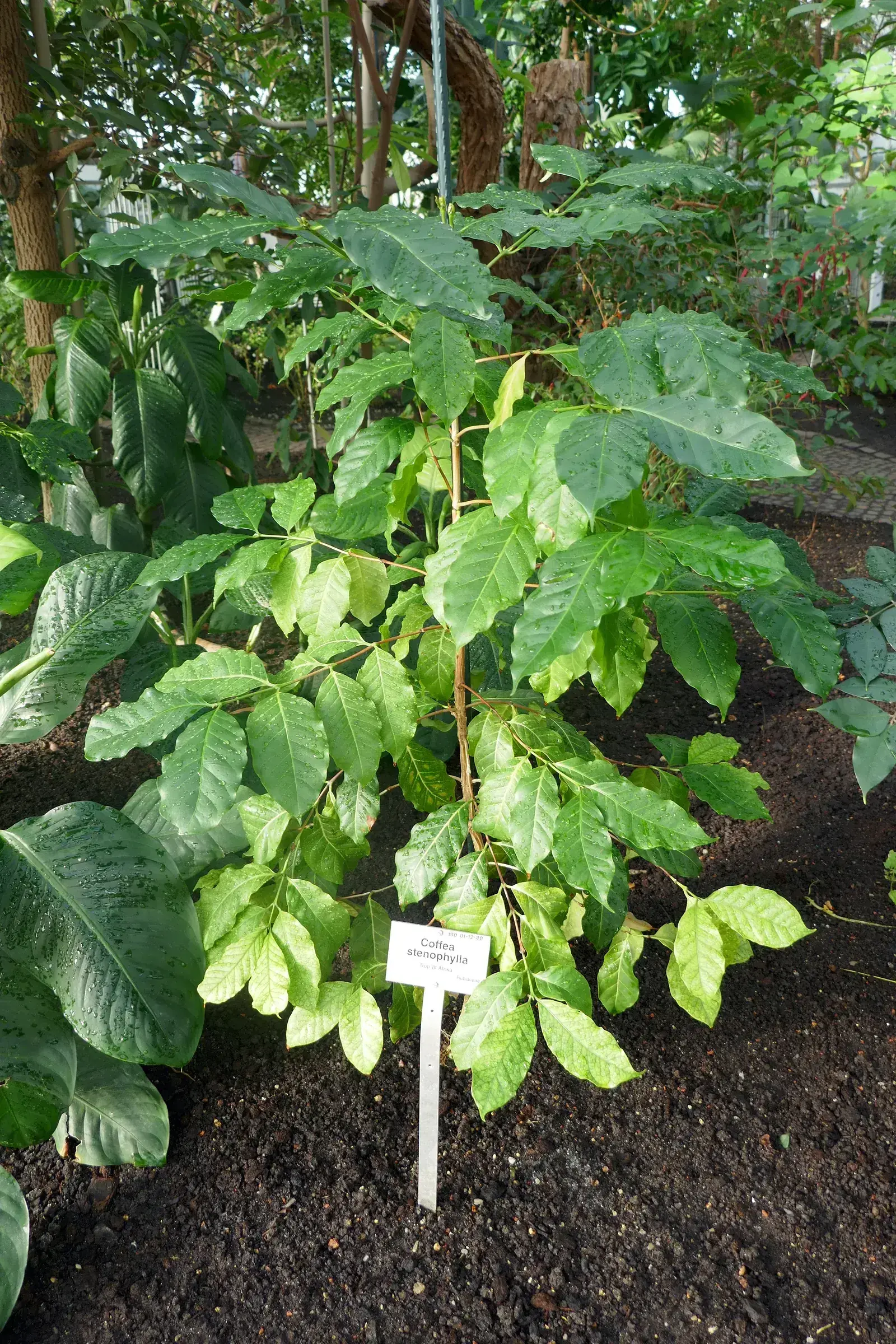
    1. The plant: Welcome! This is a living atlas of coffee, from the shrub to the cup, in every country that grows it.
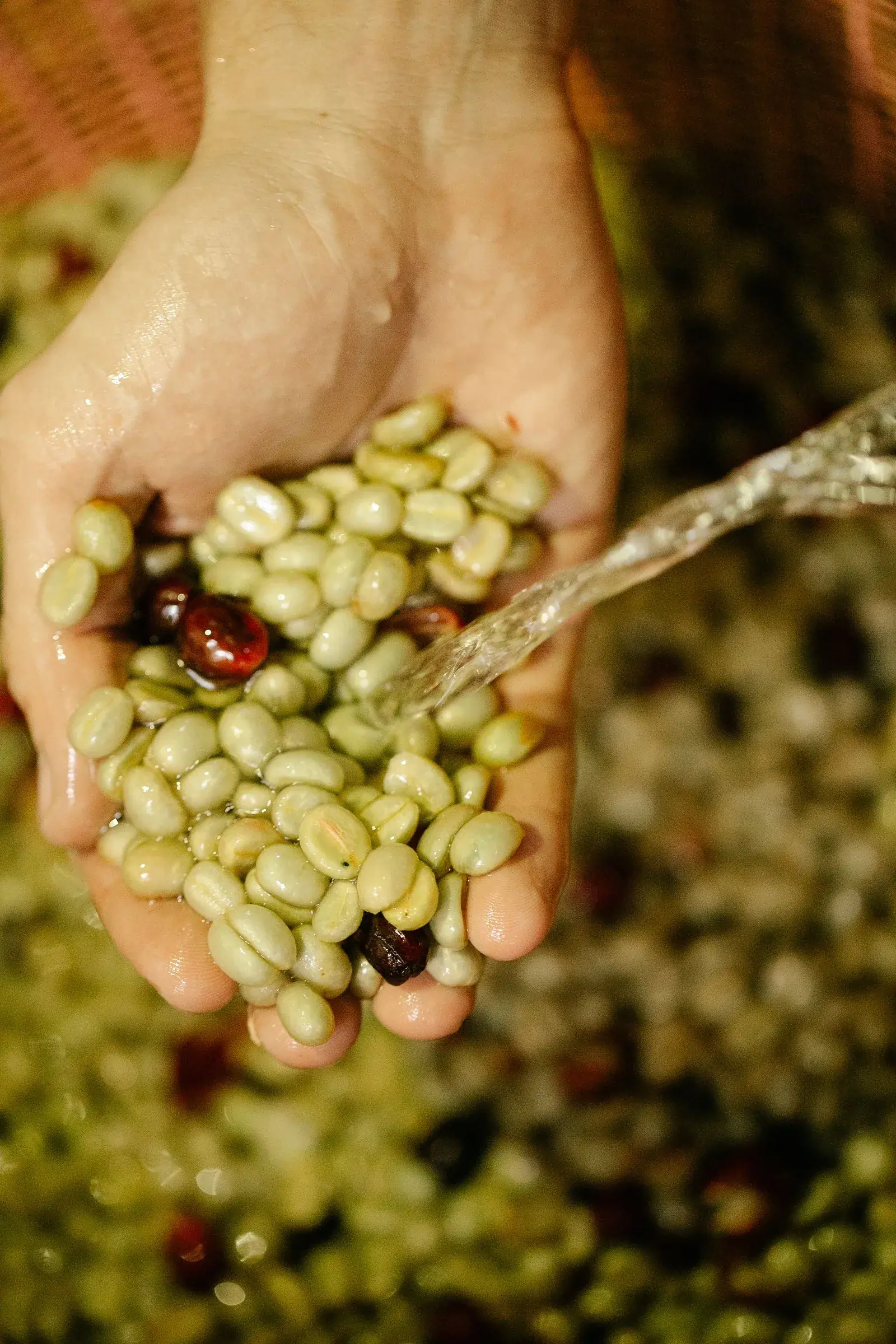
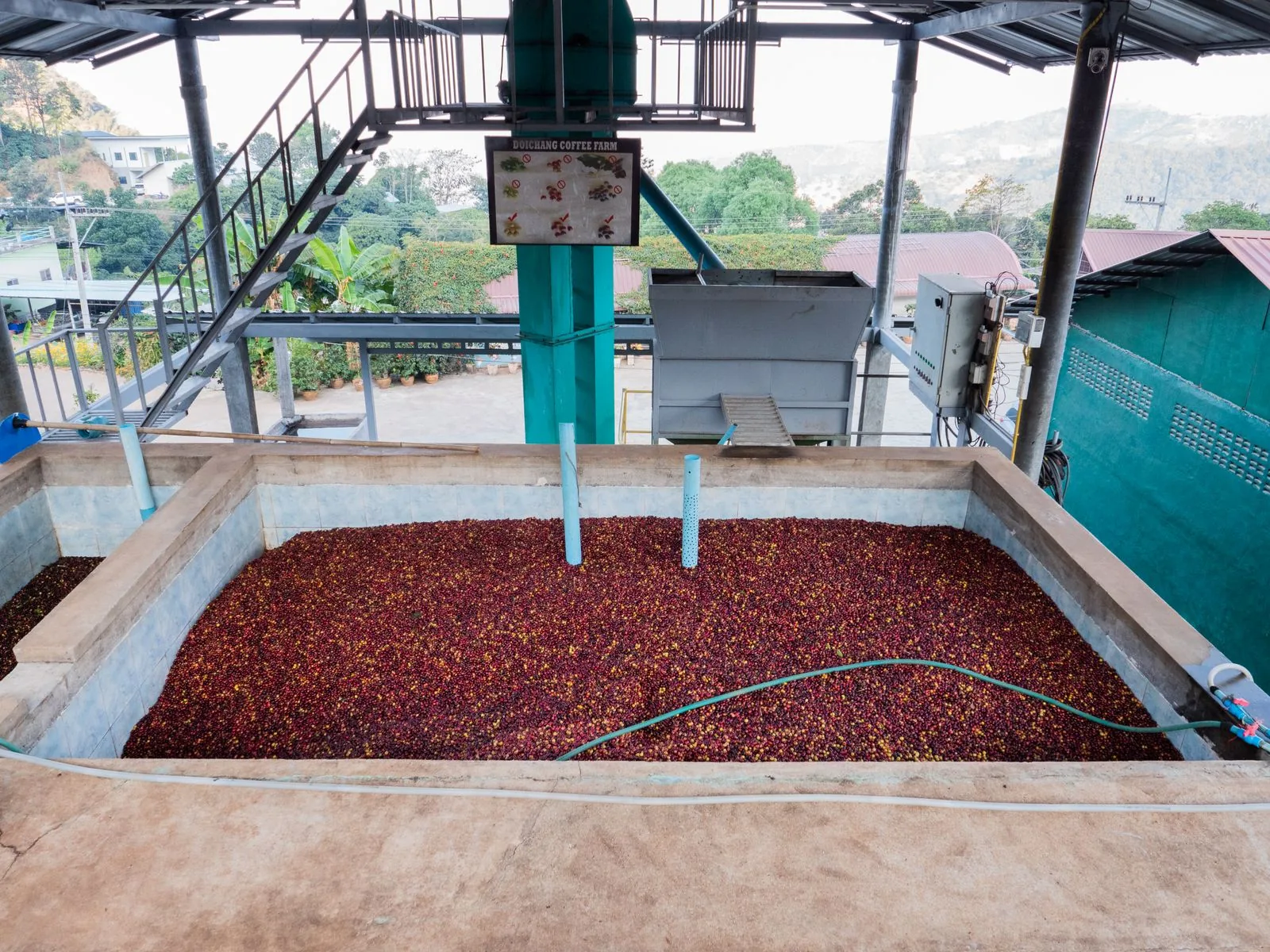
    2. The tank: Here, the cherry becomes green coffee. Each way of getting there is called a process.
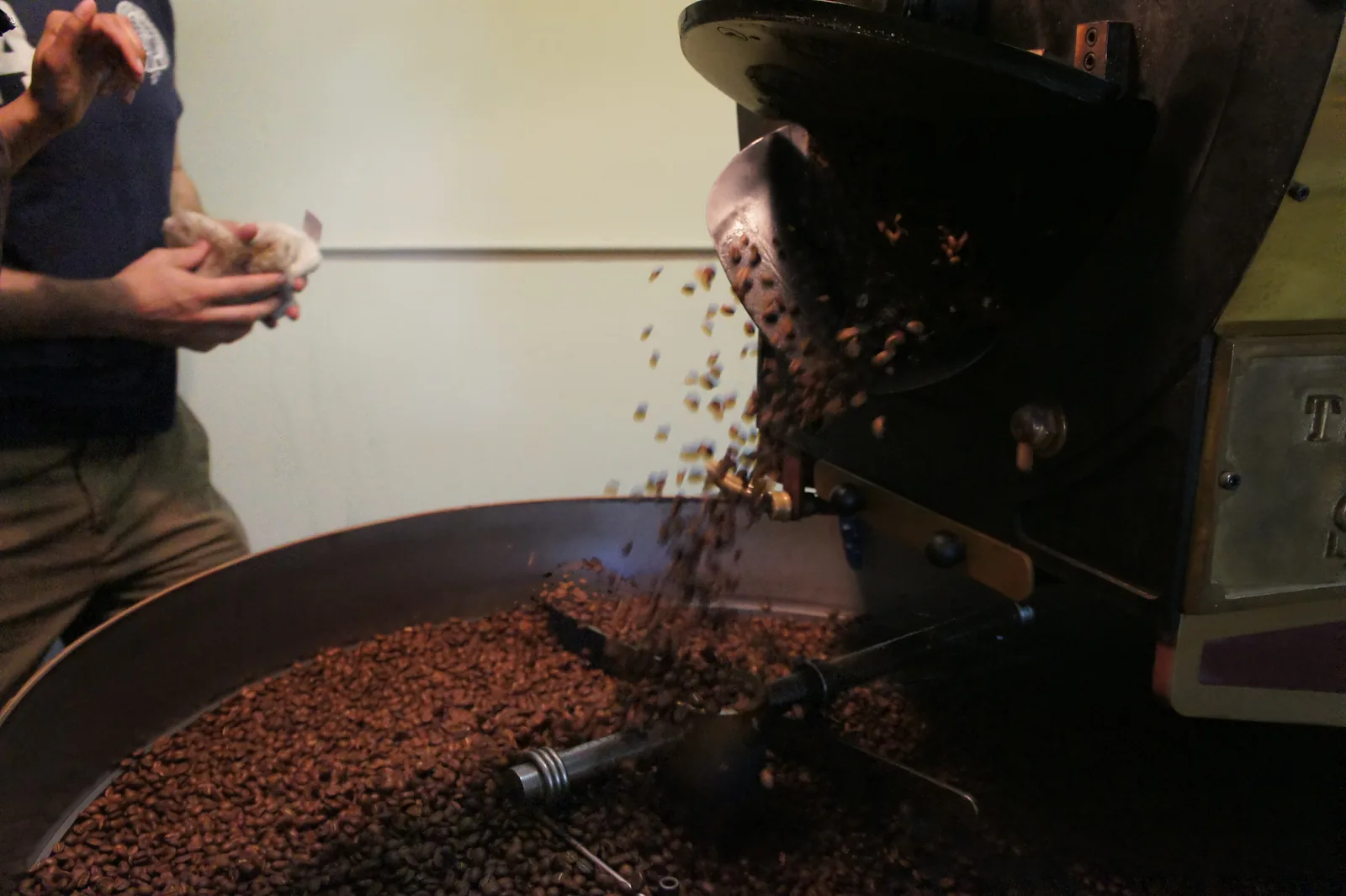
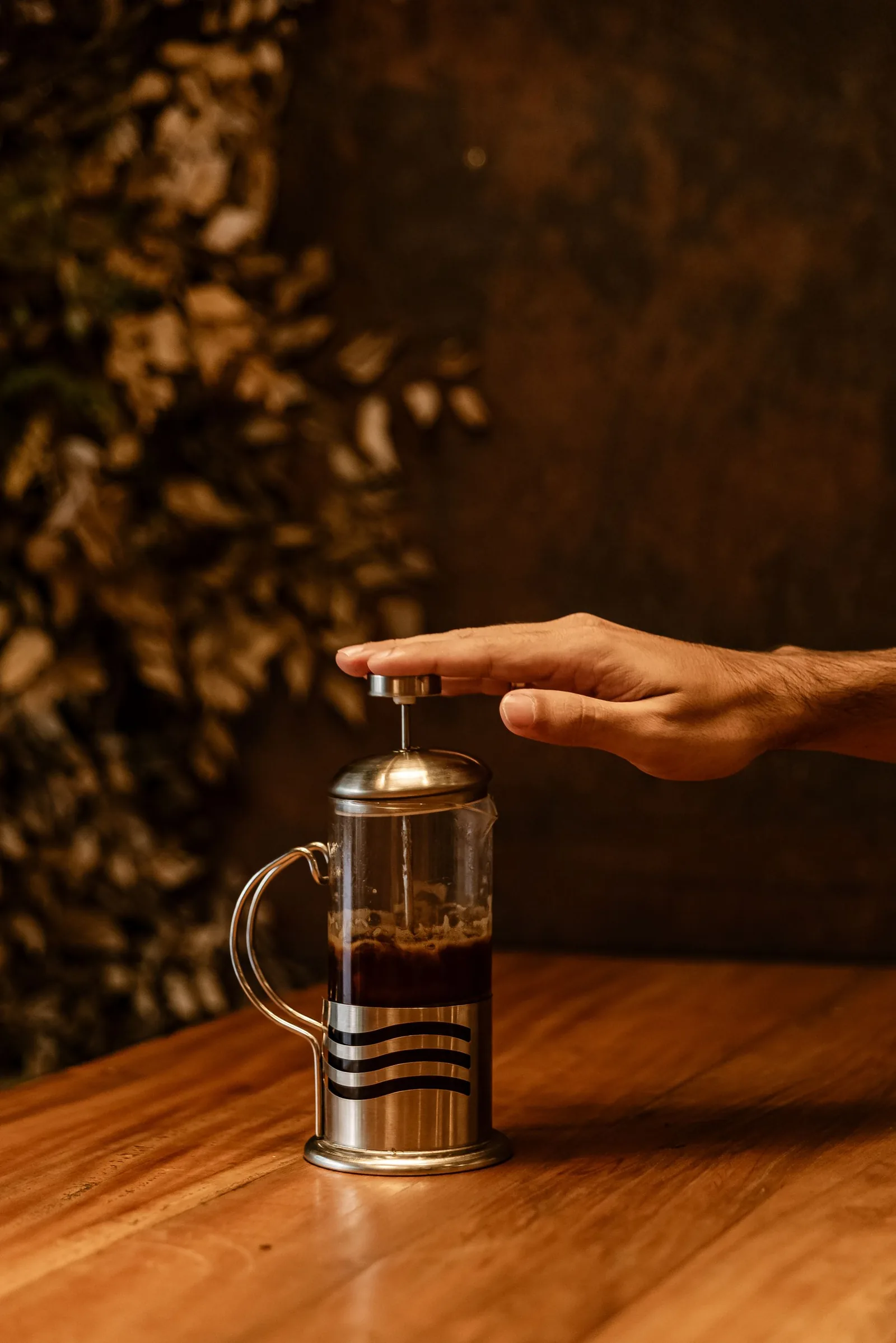
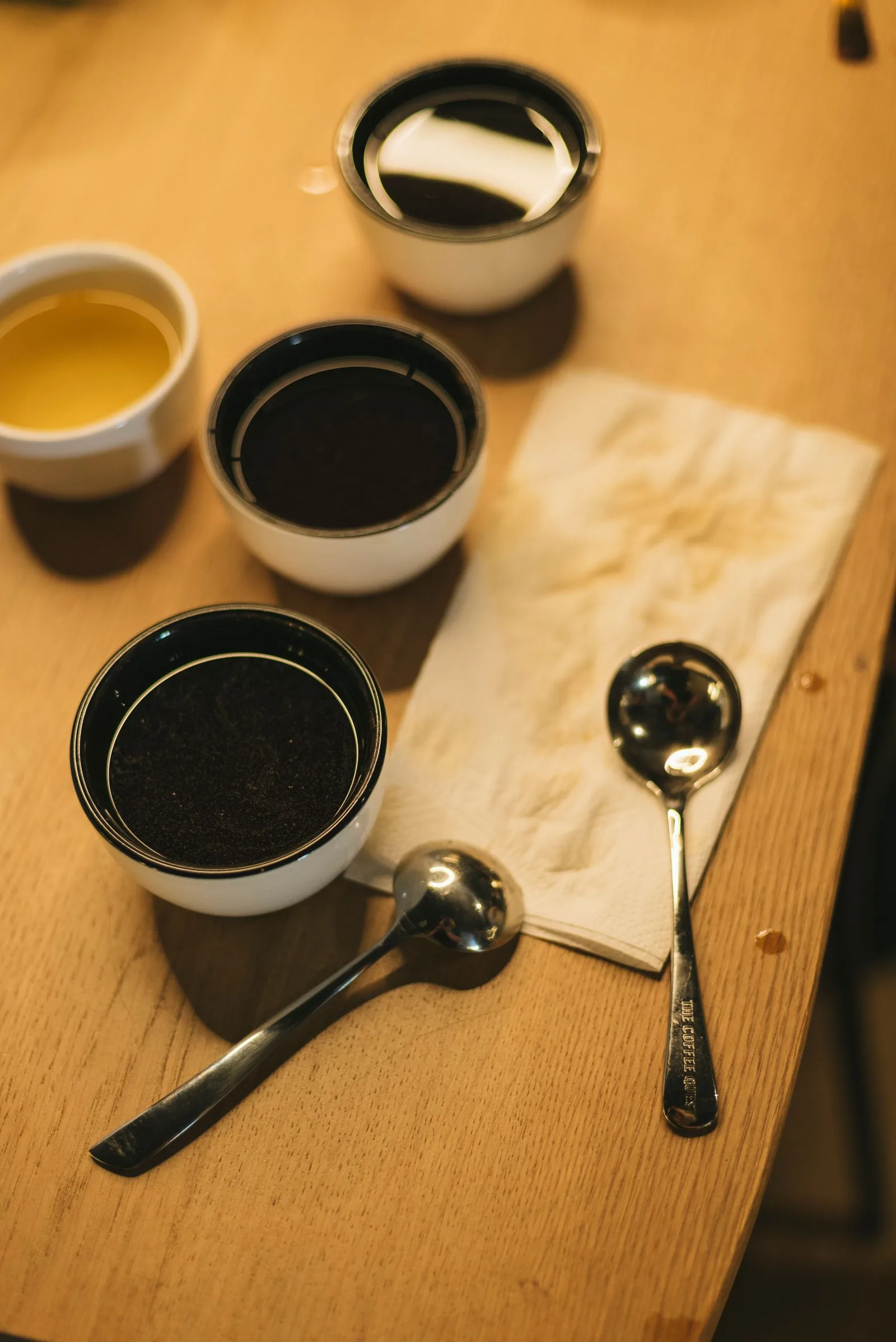
    3. The fire: The drum turns, I follow the temperature curve. Then comes the cup, method by method.
    4. The source: Animated scenes show the techniques, and each piece of information points back to the document that carries it.
    5. Your turn: Where to start? Choose a starting point just below, or search for a word.

    No advertising. Every piece of information points back to its source, and the atlas is still growing.

    FREE SEARCHType a name, a date, a process or an idea.

    SHORTCUTSleaf rustGeishadecafMaillardEthiopia

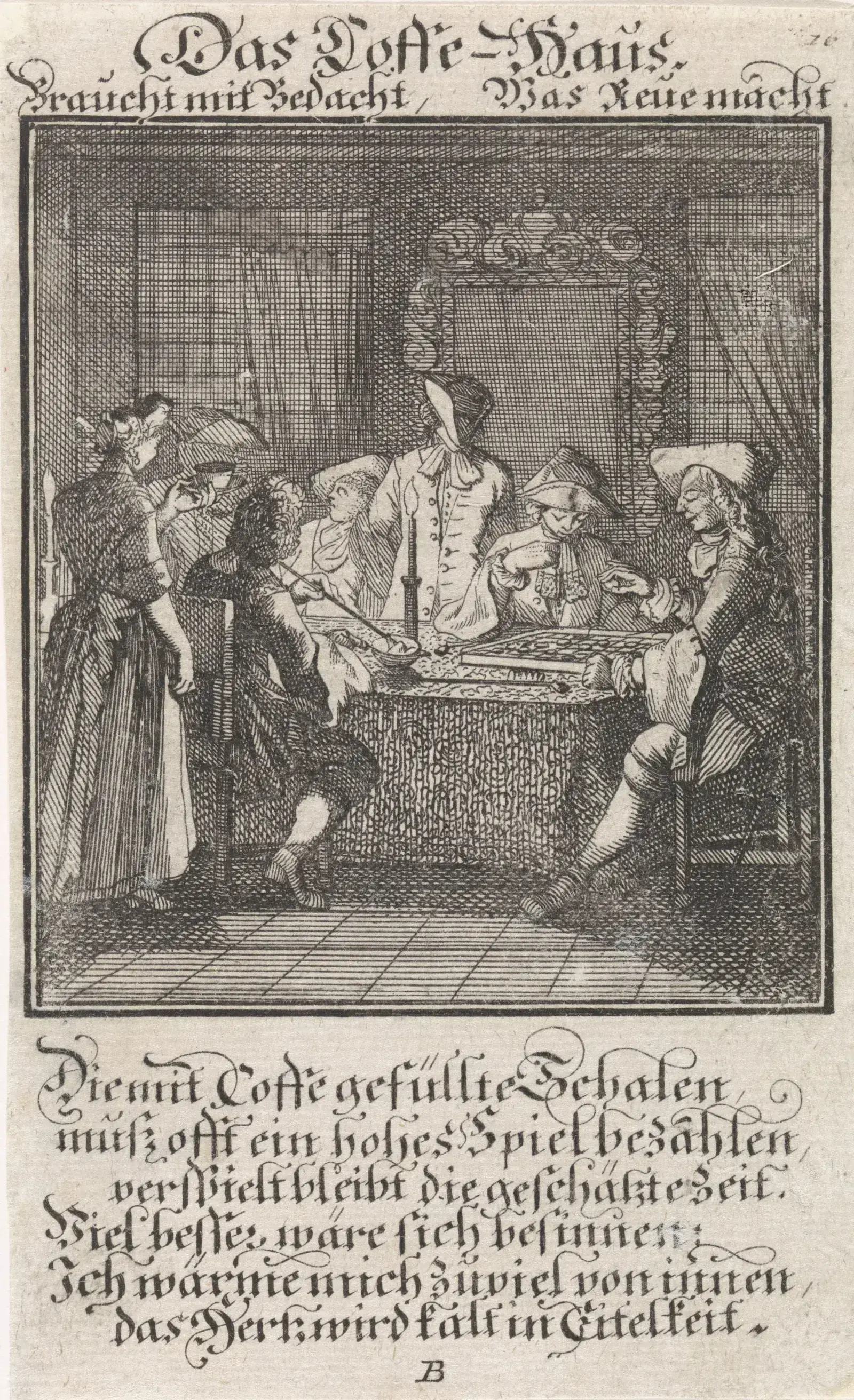
    Screenshot of the quiz: the pixel-art tavern, the barista and the choice of quest
    Play · the coffee quiz

    The coffee quiz

    869 questions, from botany to cost price, by way of roasting, history and regulation. The game sorts them into 15 themes, and you enter through one of its four doors.

    • Skirmishten quick questions
    • Dungeonup to a hundred questions, three lives
    • Questten questions on a chosen theme
    • Daily questone game a day
    PLAY THE QUIZ
    The variety atlas

    Every variety, linked to its parents

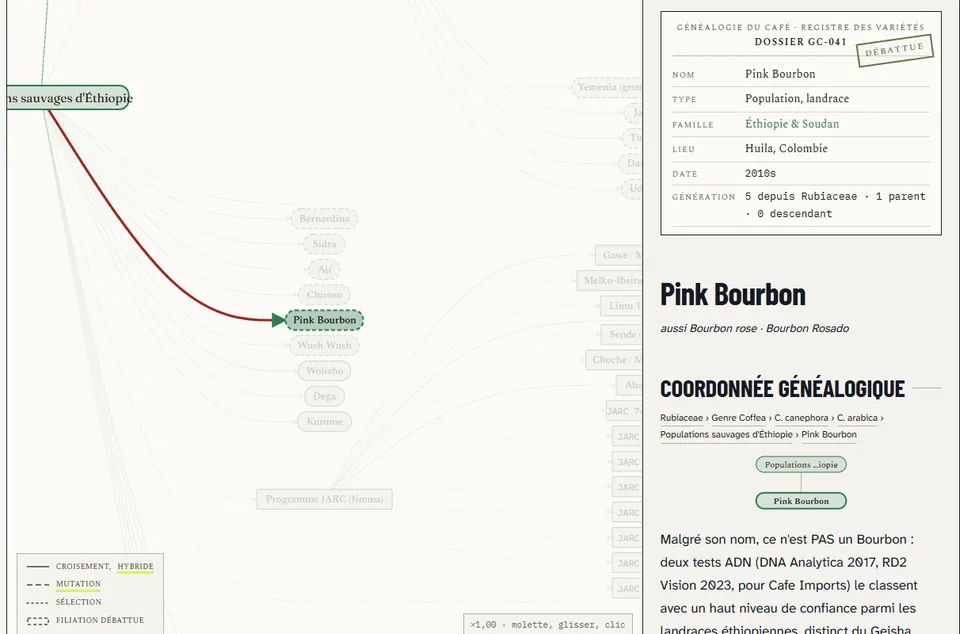
    The atlas brings together 272 profiles of coffee varieties, each linked to those it descends from. Click a name: its lineage lights up, from the wild population to the most recent hybrids.

    Each parentage, that is, the link between a variety and its parents, indicates how solid it is: 214 are documented, 37 probable and 21 debated.

    Pink Bourbon, for example, is not a Bourbon: two DNA tests place it among the Ethiopian landrace varieties.

    EXPLORE THE ATLAS
    Screenshot of the atlas: the Pink Bourbon lineage traced in red from the wild populations of Ethiopia, and its profile marked “debated”
    The blog · signed texts

    The viewpoints

    Read them in full →

    6 signed texts, written in my own name. They are a practitioner’s viewpoints: they do not replace the sourced pages. They say where the person writing them is speaking from.

    PATH SELECTION

    Choose your first question

    No imposed path. Each entry opens one part of the site and then lets you branch off.

    EXPLORE BY TOPIC

    What interests you?

    Choose a topic. Each page keeps its details, its sources and its areas of uncertainty.

    Read everything in the full edition ↗
    01 / 04The coffee plant and its territoriesFrom the plant to the places where it grows.5 topics
    02 / 04From fruit to cupThe transformations, the techniques and the taste.7 topics
    03 / 04History and societyFrom dates to practices, and from culture to prices.5 topics
    04 / 04Health, resources and the futureWhat coffee does to bodies and to its environment.5 topics

    Four shortcuts

    Or search directly →

    A landmark for today

    The whole chronicle →
    1683
    In the chronicle

    Try, calculate, practice

    The tools page →

    How it is built

    Provenance →

    Sourcing, not assertingEvery claim points back to its origin, and the note also says when the evidence is weak. A figure taken from a commercial page does not carry the same weight as a peer-reviewed article, and the site says so.

    Stating what is not knownWhen two sources contradict each other, both appear. When a date remains uncertain, it is written as uncertain rather than settled to look tidy.

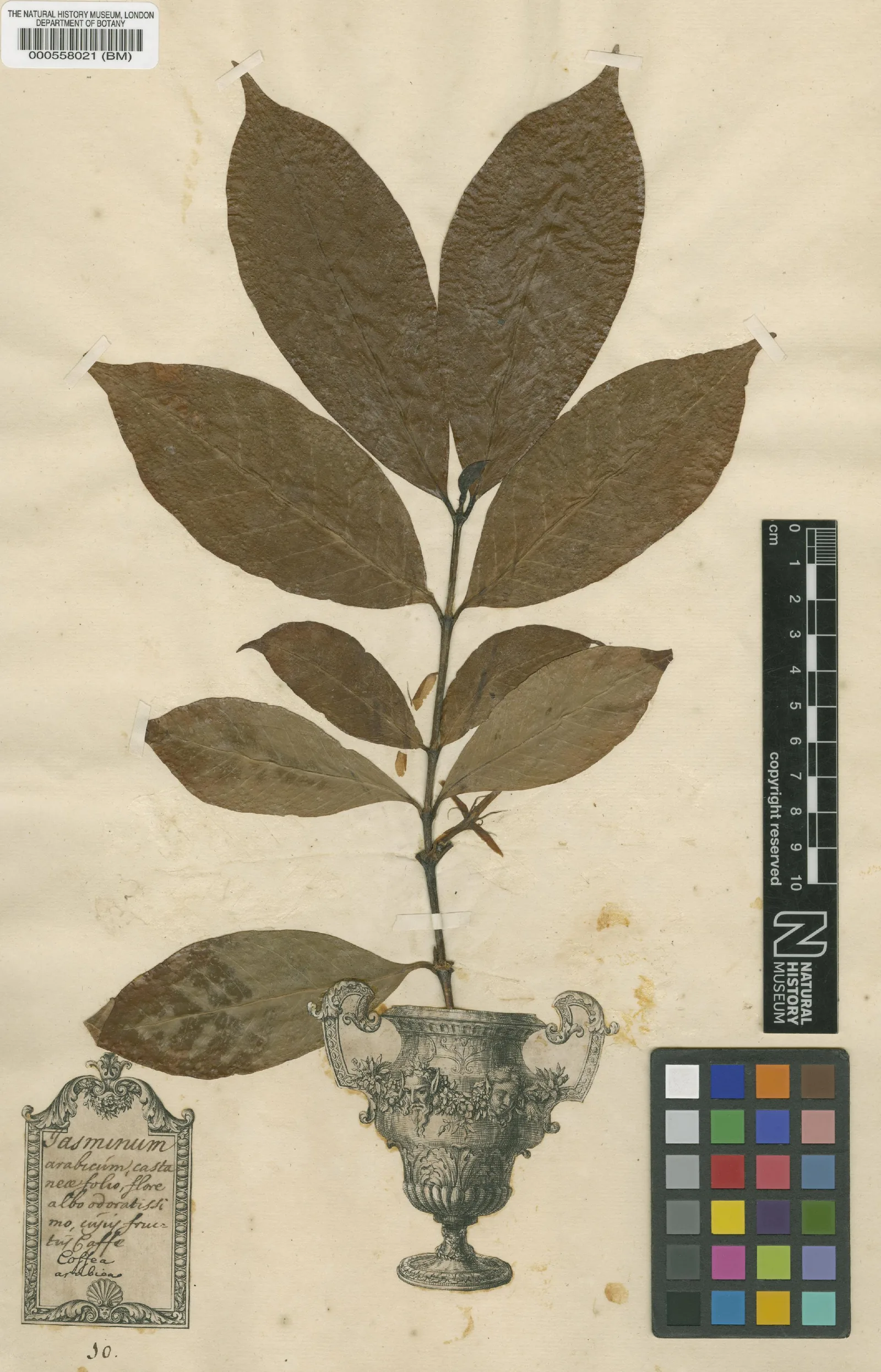
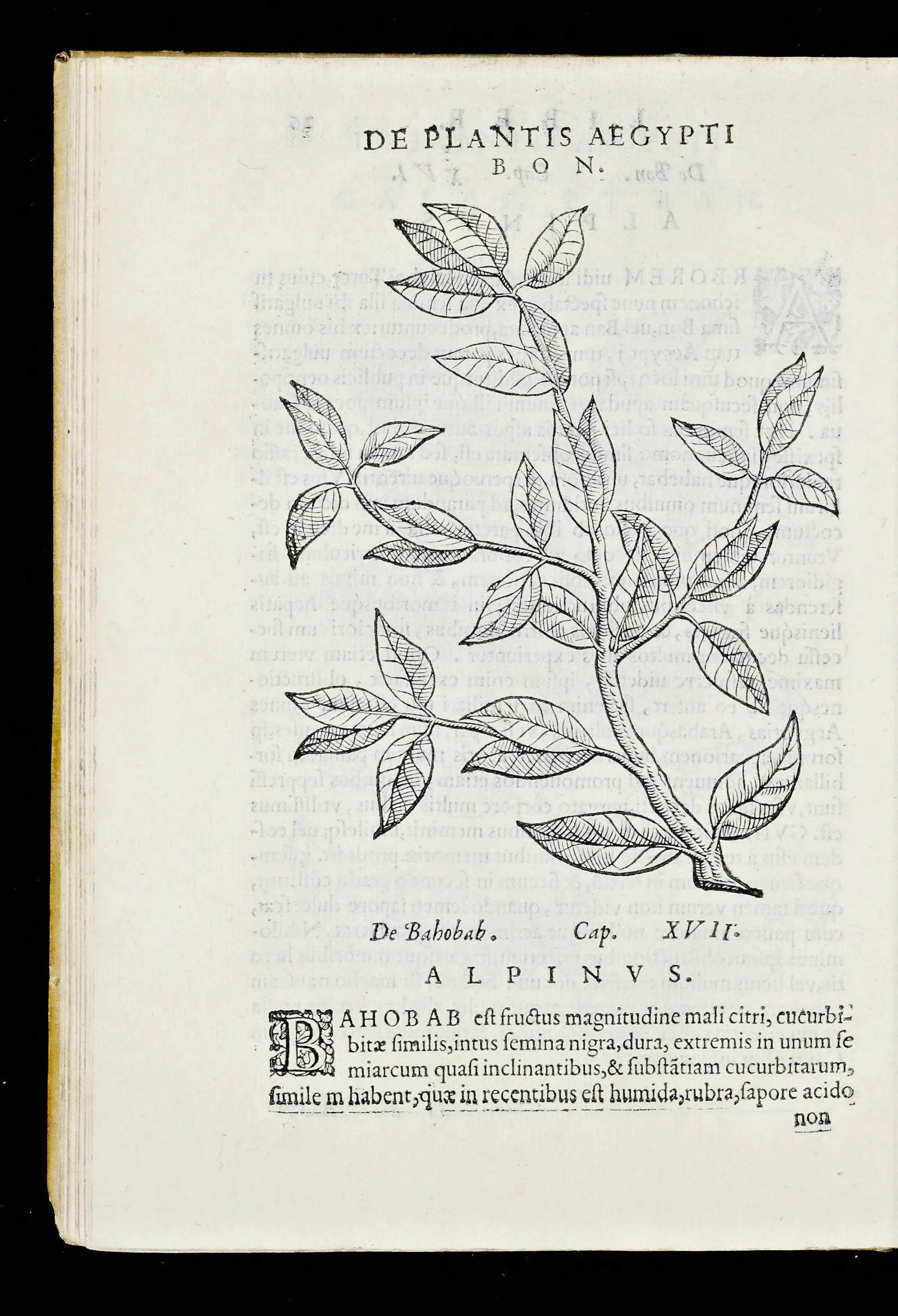
    Documents and creations kept apartDocumentary images are real: photographs, archive plates and public-domain documents, with their provenance. Original interface artwork is flagged as such.

    AI is not a sourceIt helps to organize, compare, code and rephrase. Books, archives and studies remain the sources. Errors remain possible and are corrected when they appear. Read the full method.