Micro-oxygenation, MOX
What does the section on micro-oxygenation describe?
Start the scene or choose a stage. The animation simplifies the mechanism; what follows gives the details and the available references.
The 2025 protocol selects cherries by refractometer, between 22 and 25 degrees Brix, Brix measuring dissolved sugar. Pulping keeps a thin layer of mucilage. The pulp, gently pressed then filtered, gives a juice added to the tanks at 30 to 50% of the total volume.
Read the stages without animation
- Pulping, pressing the juice, combiningThe 2025 protocol selects cherries by refractometer, between 22 and 25 degrees Brix, Brix measuring dissolved sugar. Pulping keeps a thin layer of mucilage. The pulp, gently pressed then filtered, gives a juice added to the tanks at 30 to 50% of the total volume.
- Closing, and letting the oxygen run outPhase 1, enriched anaerobic, 24 to 48 hours: the tanks are simply closed, without inerting, that is, without replacing the air with a neutral gas. The medium becomes anoxic because the microorganisms consume the oxygen present. The mass stays between 18 and 22 °C, pH is tracked from 6.5 to 4.5, with no agitation.
- Activating: oxygen up to 5 to 8%Phase 2, aerobic, 36 to 72 hours. During the first twelve hours, oxygen is introduced gradually up to a target level of 5 to 8%, under gentle agitation, between 20 and 24 °C; the pH goes toward 4.2 then 4.0.
- Cliquage, ten minutes every six hoursFrom the twelfth to the seventy-second hour comes cliquage, an enology term for injecting oxygen in bursts: ten minutes every six hours, level held between 5 and 10%, pH stabilized between 4.0 and 3.8. A single rule of handling: if acetic notes appear, increase the oxygenation. The original protocol injected twenty minutes every three hours, that is, 160 minutes a day against 40.
- Filtering, washing, drying in the shadeEnd of the run: filtration, gentle washing, drying on African raised beds in the shade down to 10-12%, then resting in parchment for 30 to 60 days. The original document dried in marquesina, a covered dryer, on an African raised bed or in a mechanical silo between 35 and 40 °C. No peer-reviewed publication, no controlled comparison.
To remember: What separates the process from an anaerobic fermentation is not an idea but the equipment: delivering a precise volume of oxygen at a precise moment.
In history: The author of the site is one of the designers of the process, which the section states before describing it.
Read the full article and its sources ↓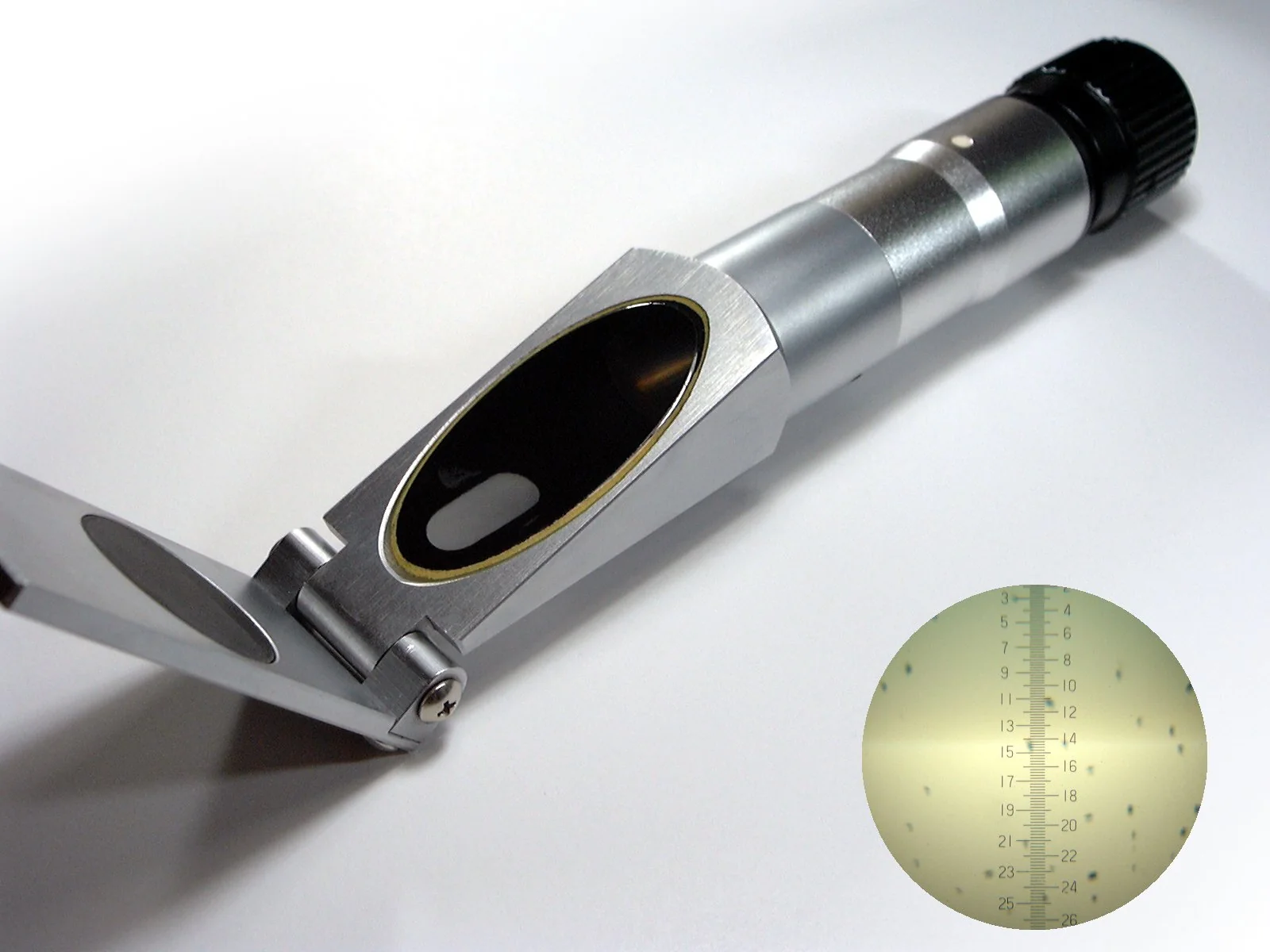
The author of this site is one of the designers of this process, which must be said before describing it. The acronym abbreviates micro-oxygenation, micro and not macro: enology strictly distinguishes macro-oxygenation, occasional and large inputs, from micro-oxygenation, small, fractional and controlled inputs. The word nevertheless circulates on the web expanded the wrong way round, an illustration of a sector without a vocabulary police. The most complete technical source is a six-page document written by a third-party exporter from work carried out in Colombia, which thanks Marco de Sousa Rosa by name.
Definition given: deliberate and controlled addition of small volumes of oxygen to the fermenting mass, a practice almost nonexistent in coffee and common in wine, mainly in France; stated hypothesis, a gain in complexity and a reduction of astringency; process described as a cross between an anaerobic fermentation and a supply of oxygen at low doses, precisely to avoid outright oxidation and phenolic notes; the end result must be a washed coffee.
What truly separates it from an anaerobic process, the document notes, is not an idea but the equipment: being able to deliver a precise volume of oxygen at a precise moment.
Technical document of an exporter, MOX Process, 6 p., Colombia (medium level: exporter document, not peer-reviewed); LC ch. 17b; MOX primary-sources digest, August 12, 2026The original protocol, as described by the exporter
Equipment: plastic tank of at least fifteen gallons, new, airtight and clean; drill and hole saws to pierce it; perforated rubber stopper; stainless steel valve and plastic fitting; diffusion stone of porous ceramic, the kind that disperses the gas in fine bubbles instead of one big one; transparent hose, gas hose, industrial oxygen cylinder, regulator, bubbler.
Procedure. Ripe cherries only, hand-sorted. Pulping without water, collection in plastic tanks noting the time, since the whole run is counted from that moment.
Pulp and skin are pressed separately to extract a cherry must, which the document compares to grape juice and presents as the key ingredient. The pulped coffee and the must are then combined in the tank, hermetically sealed.
Then comes the oxygen: a first injection of twenty minutes, then twenty minutes every three hours. The total duration is not fixed, it depends on the temperature of the mass, and the hotter it is the shorter it gets. The reported trial lasts 72 hours between 12 and 20 °C, of which 24 hours as whole cherry and 48 after pulping.
Then washing, then drying in marquesina, on an African raised bed or in a mechanical silo between 35 and 40 °C. The parchment is stored in a barrier bag, in a dark, cold and dry warehouse.
One detail tells the spirit of the protocol: at each injection, the stopper is removed. It is the moment to smell the mass and judge whether what is developing is pleasant and complex. If not, the system needs adjusting. The nose stands in for an instrument.
And a rare sentence in this kind of document: this is not a miracle process that would turn an ordinary coffee into an exceptional one. It moves the coffee toward a more complex, cleaner, more elegant taste and length. The result depends on the variety and on the conditions of production.
The 2025 protocol, two phases and monitored parameters
Selection of cherries by refractometer between 22 and 25 °Brix, Brix measuring dissolved sugar: underripe cherries are thus set aside before even starting. Pulping keeping a thin layer of mucilage. The juice, obtained by gentle pressing of the pulp then filtered, is added to the tanks at 30 to 50% of the total volume.
Phase 1, enriched anaerobic, 24 to 48 hours. The tanks are simply closed, without inerting, that is, without replacing the air with a neutral gas: the medium becomes anoxic because the microorganisms consume the oxygen present. Temperature of 18 to 22 °C, pH monitored from 6.5 to 4.5, no agitation.
Phase 2, aerobic, 36 to 72 hours. Activation takes up the first twelve hours: gradual introduction of oxygen up to a target level of 5 to 8%, light agitation, 20 to 24 °C, pH around 4.2 then 4.0.
Next comes cliquage, a French enology term for injecting oxygen in bursts, from the twelfth to the seventy-second hour: ten minutes of exposure every six hours, level held between 5 and 10%, pH stabilized between 4.0 and 3.8. A single rule of handling is given: if acetic notes appear, increase the oxygenation.
End of the run: filtration, gentle washing, drying on African raised beds in the shade down to 10-12%, then resting in parchment for 30 to 60 days before shipping.
The document itself announces three variants still to be tested: 36 versus 72 hours of aerobic phase, 10 versus 15 minutes of exposure, and the comparison with a conventional fermentation.
| MOX (micro-oxygenation) | Exporter document | 2025 protocol |
|---|---|---|
| Oxygen dose | 20 min every 3 h | 10 min every 6 h |
| O₂ level | not specified | 5 to 10% |
| Temperature | undergone, 12-20 °C | controlled, 18-24 °C |
| pH | not monitored | 6,5 → 4,5 → 4,0 → 3,8 |
| Structure | one phase | anaerobic 24-48 h then aerobic 36-72 h |
| Selection | ripe cherries, hand sorting | 22-25 °Brix |
| Inerting | hermetic seal | none, closed tank |
| Cherry juice | must added | 30-50% of the volume |
| After drying | barrier bag | resting in parchment 30-60 days |
Set side by side, the two documents show a trajectory. We go from twenty minutes every three hours to ten minutes every six. Over a day, the supply falls from 160 minutes to 40, four times less oxygen. Meanwhile a thermometer, a pH meter, a refractometer and resting in parchment appear. The first thing the parameters said was to ease off.
What remains is what these documents do not prove. Better to list it without softening it.
- No peer-reviewed publicationneither on MOX nor on its effects.
- No published controlled comparisonthe comparison with a conventional fermentation appears in the 2025 protocol among the variants to be tested. The process therefore describes its expected effects, not effects measured against a control.
- No measurement of redox potentialyet this is the quantity that enology uses to steer this kind of input.
- An oxygen level of 5 to 10% defined nowherepercentage of what, measured where, with what device?
- Neither number of lots produced nor consistencynothing is documented from one year to the next.
- A term absent from the glossariesneither the SCA nor the literature knows it.
The same axis is treated elsewhere under neutral terms: aerobic, semi-aerobic, SIAF. The 2025 Cenicafé comparison is, quite exactly, a controlled study of the effect of oxygen on a coffee fermentation.
Finally, adding cherry juice at 30-50% of the volume brings MOX closer to co-fermentation. The difference lies in the nature of the addition: this juice is coffee, the mosto, allowed by the Cup of Excellence when it forbids any outside addition.
MOX primary-sources digest (August 12, 2026); Peñuela-Martínez et al. 2025; Cup of Excellence rules 2023; LC ch. 17b