Lactic, koji and the other leads
Lactic and koji: two different leads
Start the scene or choose a stage. The animation simplifies the mechanism; what follows gives the details and the available references.
Lactic fermentation is not a category: it is a sub-case of anaerobic fermentation in which lactic acid bacteria are deliberately favored, to the detriment of yeasts and acetic bacteria. The first step is a sealed tank.
Read the stages without animation
- Sealing the tankLactic fermentation is not a category: it is a sub-case of anaerobic fermentation in which lactic acid bacteria are deliberately favored, to the detriment of yeasts and acetic bacteria. The first step is a sealed tank.
- Favoring lactic bacteriaThe target species are Leuconostoc mesenteroides and Lactiplantibacillus plantarum. They can be inoculated, or a brine, salted water, at 2 or 3% can be added.
- For a long time, and coolDurations exceed 80 hours, temperatures are lowered to hold back the fungi. The profile described: creamy texture, yogurt, butter, chocolate, intense sweetness. The figure “up to 90% of glucose and fructose consumed” has no primary source.
- Koji, another leadKoji is Aspergillus oryzae, the mold of sake and miso. A cross-trial in four countries on Red Bourbon is said to have given higher scores in body and acidity, but it rests on only a secondary source; bioreactors of 50 to 7,000 liters have only the press in their favor.
To remember: Lactic is an orientation of fermentation, not a family of coffees defined the same way everywhere.
Read the full article and its sources ↓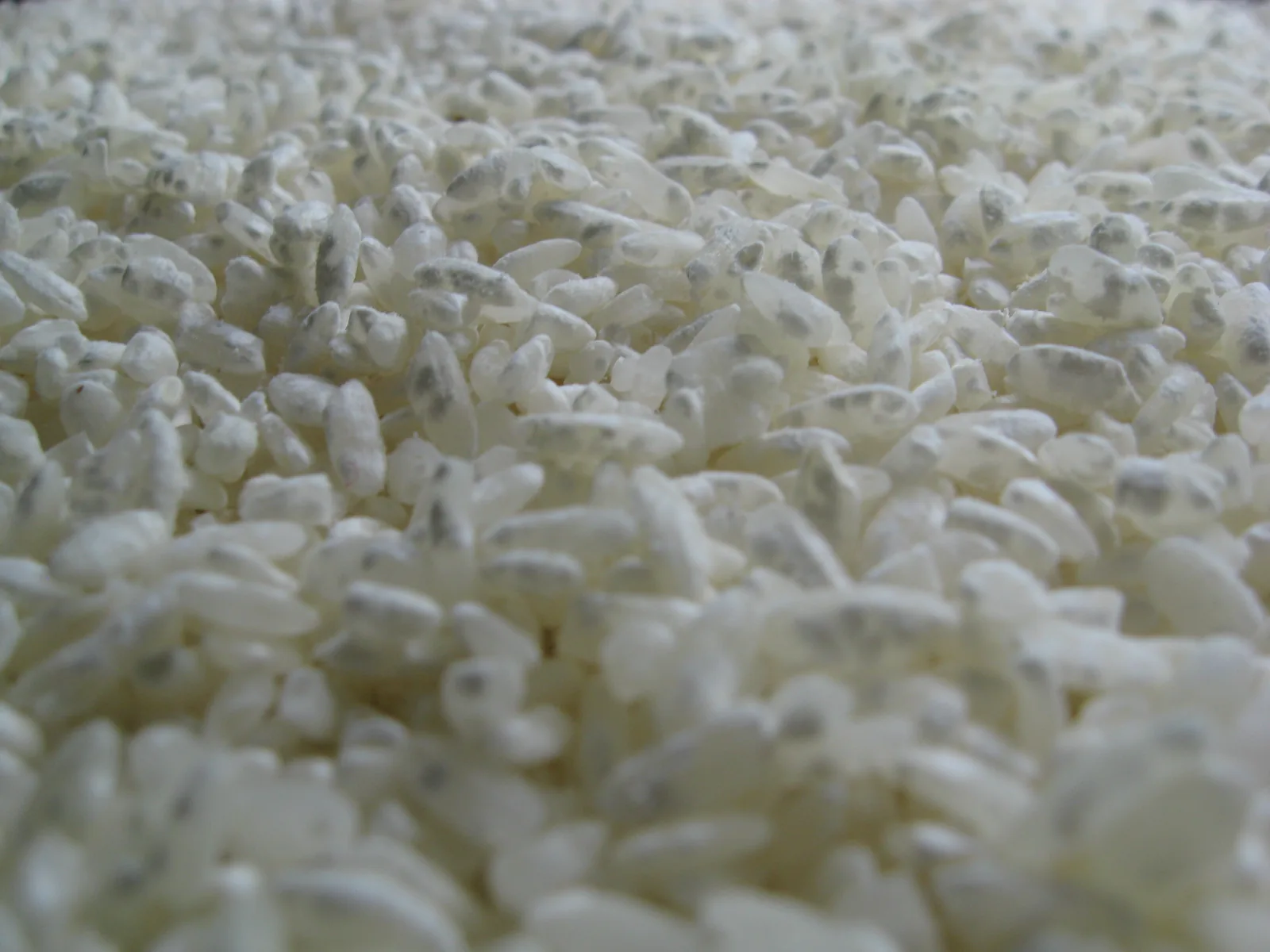
Lactic fermentation is not a category: it is a sub-case of the anaerobic process where lactic acid bacteria, Leuconostoc mesenteroides and Lactiplantibacillus plantarum, are deliberately favored at the expense of yeasts and acetic bacteria, by means of a sealed tank, long durations beyond 80 hours, lowered temperatures to slow the fungi, possibly an inoculation or a 2-3% brine. Described profile: creamy texture, yogurt, butter, chocolate, intense sweetness.
The figure of “up to 90% of the glucose and fructose consumed” has no primary source. Koji, the Aspergillus oryzae of sake and miso, saccharifies starch; a cross trial in four countries on Red Bourbon is said to have given higher scores in body, aftertaste and acidity: a single secondary source. Bioreactors of 50 to 7,000 liters are said to have kept specialty level: press, unverified.
Perfect Daily Grind (2023), Feran cited; single secondary sources for koji and bioreactors (low level); LC ch. 17b