What we still do not know
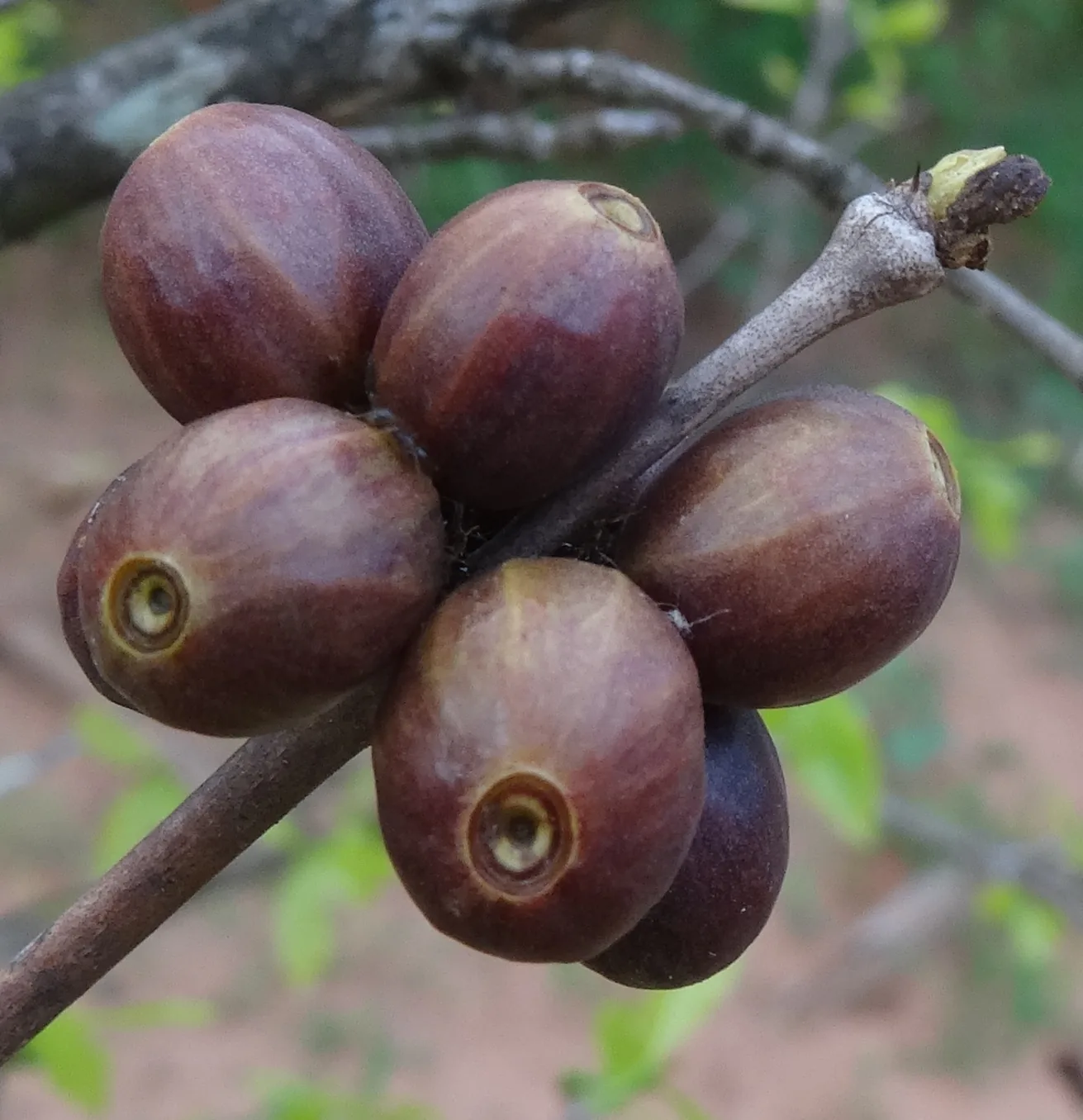
The review by Yang and coauthors (2026) lists explicitly what science does not know: the function of candidate genes in a tetraploid background, the biosynthetic pathways of aroma precursors, the real thermal thresholds per cultivar in the field and the effect of lastingly suboptimal temperatures, the long-term effect of elevated CO2 on taste, the quantitative relationships between rain, humidity, rust and quality, the molecular mechanisms of shading, fermentation described as a black box, and the bias of a research field that chased volatile compounds while neglecting the nonvolatile ones (sugars, acids, chlorogenic acids, caffeine) that carry body, acidity, bitterness and length.
The effect of altitude reverses from one country to another, caffeine and chlorogenic acids falling with altitude in Ethiopia and rising in Costa Rica. Two claims coexist in the same article without being reconciled, one attributing about 60% of the cup profile to post-harvest processing, the other showing that across 176 arabicas geographic origin weighs most. We do not yet really know why a coffee is good, just when the plants that carry the answer are disappearing.
Yang et al. 2026, Agriculture, pp. 6-14; LC ch. 21In this plateThe 17 sections
- 01The specifications of an understory plant
- 02What the climate is already doing: rust, frost, drought
- 03What the models forecast for 2050
- 04First answer: go up, shade, irrigate
- 05Mechanizing: what the machine compensates for, and where it cannot go
- 06Second answer: F1 hybrids and the industrialization of breeding
- 07Third answer: reading, then editing genomes
- 08What happens under the tree
- 09The reserve of forgotten species
- 10Canephora as the future, and its limits
- 11What remains to be saved: 60% of species threatened
- 12Gene banks: a plantation, not a vault
- 13Economics: record output, tiny farms, underfunded research
- 14Regulation: the European deforestation regulation
- 15Demand: Asia, specialty coffee, coffee without the bean
- 16What we still do not know
- 17Today (September 2026)
The table of contents, with the first sentence of each section