Appendix to plate IX · section 01 of 06
The dry process
THE PROCESS IN MOTION
What happens to a whole dried cherry?
Start the scene or choose a stage. The animation simplifies the mechanism; what follows gives the details and the available references.
The cherry, as it is
The whole cherry is dried on its bean, with nothing removed: neither the skin nor the flesh. It is the oldest of the processing routes.
Read the stages without animation
- The cherry, as it isThe whole cherry is dried on its bean, with nothing removed: neither the skin nor the flesh. It is the oldest of the processing routes.
- Drying in its own sugarIn the sun, the water in the fruit leaves. The sugar in the flesh does not: it stays around the bean, which dries inside it.
- Three weeks unprotectedDrying takes three weeks, and for all that time nothing protects the bean. That is what makes this route by far the most difficult.
- A dry fruit, in one pieceAt the end of drying, the dried fruit still surrounds its bean. How to separate it is described in this chapter’s sheet.
To remember: The whole dried cherry: the bean spends three weeks in its own sugar, with nothing to protect it.
Read the full article and its sources ↓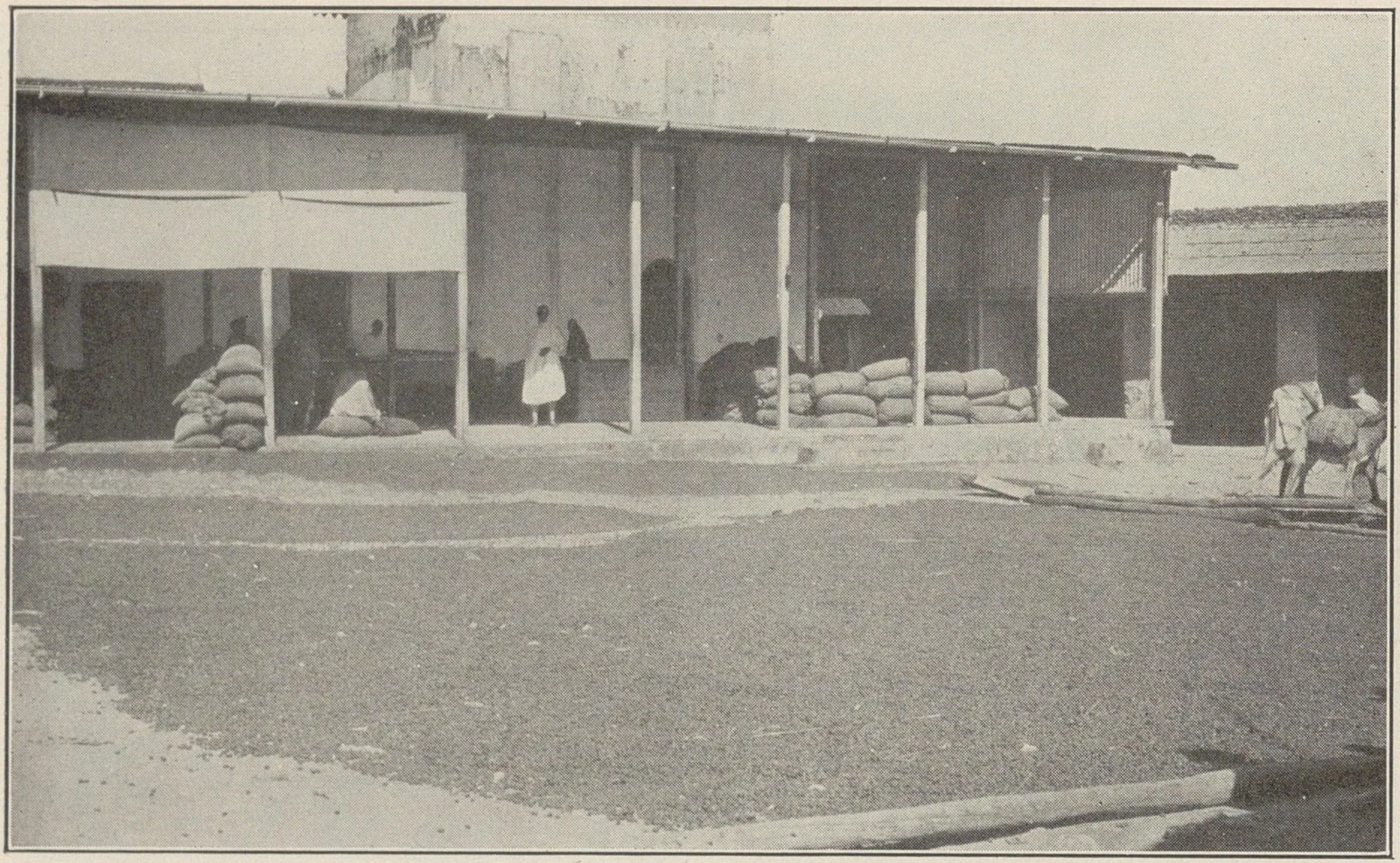
The whole cherry dried on its bean, with nothing removed from it. It is the oldest of the routes and by far the most difficult: nothing protects the bean during the three weeks it dries in its own sugar.