Taste manufactured by habit
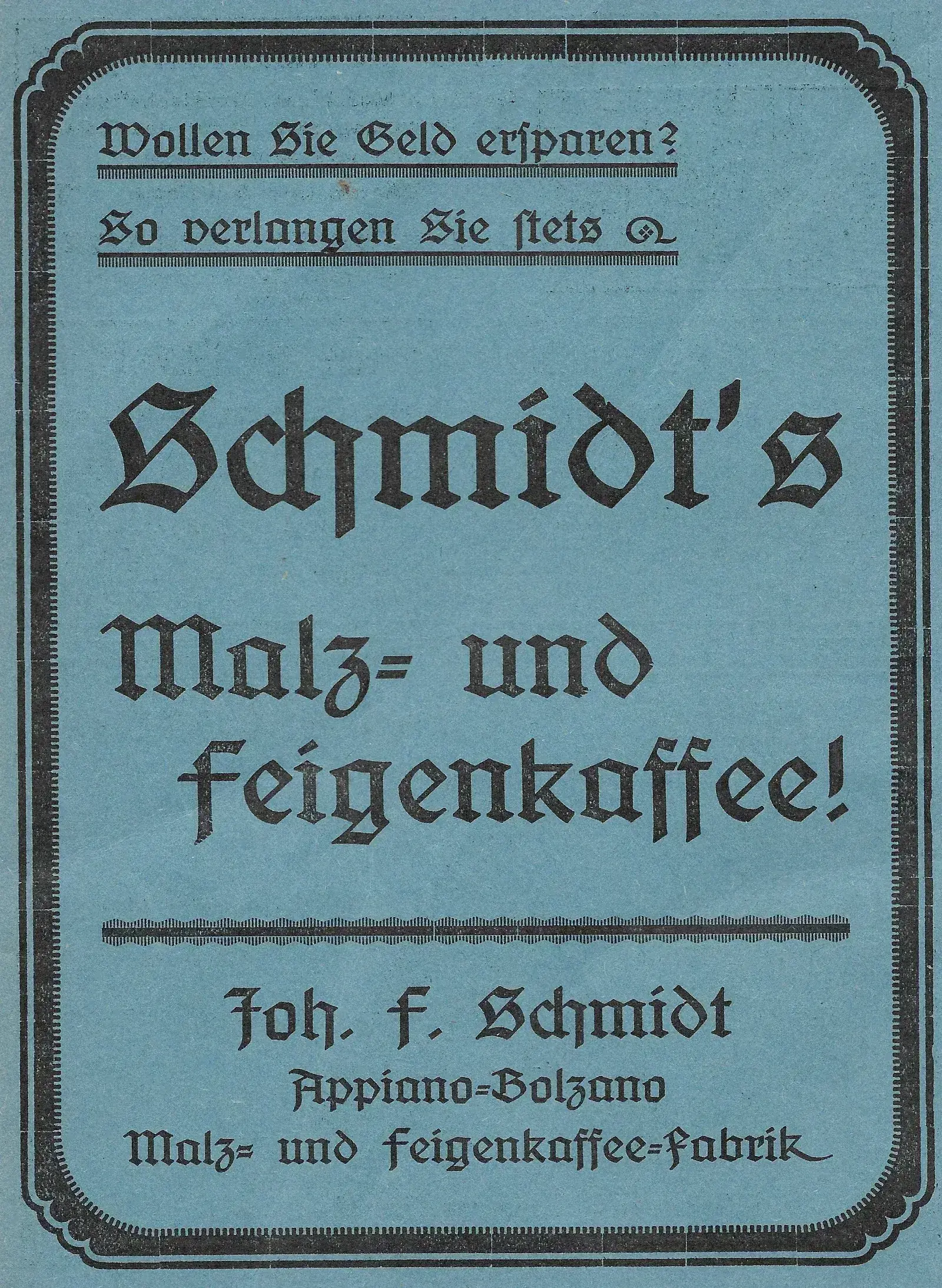
Marco's book advances a hypothesis and holds it for what it is. Taste is built by exposure: Bourdieu, in La Distinction (1979), describes preference as a habitus embodied so deeply that it seems natural; the work on food acceptance establishes that a new flavor is won by repetition and not by explanation, in dozens of exposures, without a single number holding for all foods and all ages.
Now what Europeans and Americans of the 19th century drank was a very dark, thick, sometimes viscous liquid, frankly bitter, in bad cases blackish and muddy with a greasy sediment. That is not the description of an adulterated coffee; it is that of what many still call a real coffee. The dark, the thick and the frank bitterness, which the trade attributes to roasting or origin, would come in part from the roots and cereals that took up four fifths of the packet and served as the standard for three or four generations.
LC ch. 10; Bourdieu, La Distinction, 1979; Walsh 1894, p. 205The hypothesis is not a demonstration. No comparative tasting from 1881 exists, and the packet of the day is no longer there to be tasted. Other threads, moreover, braid the same rope: coffees staled by months in a damp hold, roasts pushed dark to cover defects, long and reboiled infusions.
What makes it defensible is that the preference survived the fraud. Chicory was legalized, then claimed, then loved. It is still sold, pure or in blends, in northern France, Belgium, Louisiana and India. India's FSSAI allows it there up to 49% of roasted ground coffee.
Ukers wrote it already, without the paradox stopping him. Chicory has botanically and chemically nothing to do with coffee, and its flavor is entirely different. Many drinkers nevertheless prefer their coffee when that foreign flavor has been added.
Finally, the hypothesis sheds light on old judgments, which one ordinarily reads without asking what they compare against. When Don writes in 1834 that the roasted seeds of Coffea stenophylla are superior to ordinary coffee, one still needs to know what this ordinary coffee is. It is the coffee of this plate, and the bar was not high. See also roasting for the part played by fire in this reference.
LC ch. 10 and ch. 4; Ukers 1922, p. 404; ICO, ICC-134-1, September 9, 2022; fr.wikipedia.org/wiki/Chicorée_à_café, accessed September 7, 2026In this plateThe 17 sections
- 01What makes fraud possible
- 02Chicory, from Brunswick to the Continental Blockade
- 03The inventory of substitutes
- 04Dyeing, polishing, sweating: fraud on green coffee
- 05Molded fake beans
- 06Ground coffee: the thousand-pound formula
- 07Glazing and its patents
- 08The chemists: Accum, Hassall, the microscope and the oven
- 09The laws, country by country
- 10The substitute becomes an industry: Postum and the “cereal-fakers”
- 11Taste manufactured by habit
- 12Wartime ersatz: 1914, 1939, 1977
- 13Instant coffee and today's blends
- 14Modern fraud: the species, the origin, the vat
- 15Animal coffees, or rent-seeking on the story
- 16Today's detection tools
- 17Today
The table of contents, with the first sentence of each section