Glazing and its patents
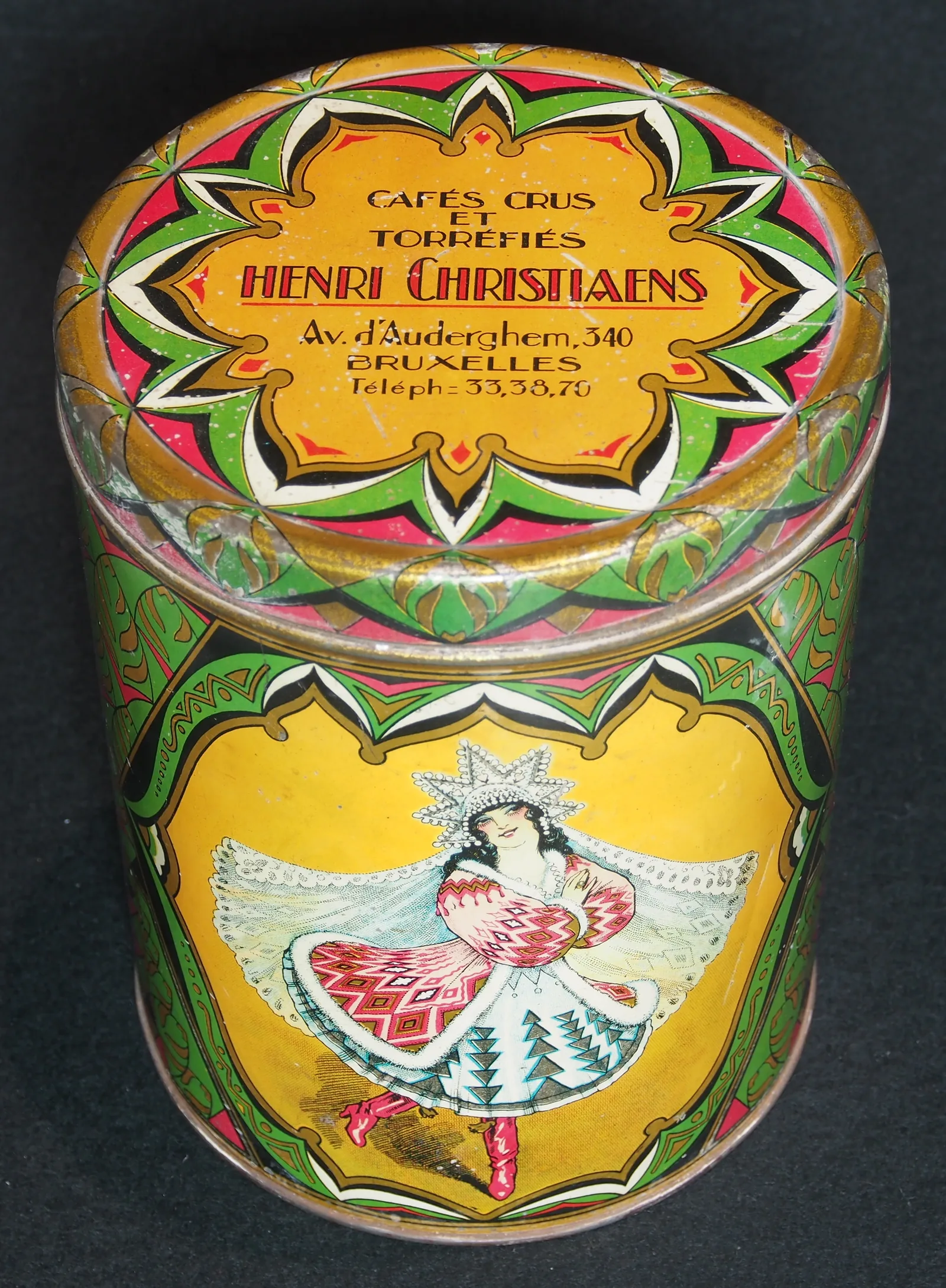
Glazing coats still-hot roasted coffee with a preparation that forms a film as it cools: starches, glues, Irish moss, gelatin, isinglass. Ukers adds butter, margarine, oils, paraffin, petroleum jelly, gums, dextrin, resins, milk, glycerin, salt, bicarbonate, vinegar and albumin. The argument is irreproachable, the film would protect the aroma before the era of vacuum packing, and it was patented three times in three years on two continents: English Pidding patent no. 3,131 in 1866, Berry patent no. 63,987 in 1867 for isinglass, John Arbuckle Jr patent no. 73,486 of January 21, 1868 for Irish moss.
Thurber disputes the claim as early as 1881; Walsh demolishes it, a glazed coffee being in fact more sensitive to humidity than a bare one. Meanwhile glazing masks stained or immature beans and adds 5 to 6% of weight sold at the price of coffee.
Thurber 1881, p. 167, 254; Walsh 1894, p. 190, 195-196; Ukers 1922, ch. XVII, p. 170; LC ch. 10The matter did not close with the chemists. In 1922 still, American roasters were divided: the better part of the trade condemned glazing when it hides an inferiority or abnormally reduces weight loss, the National Coffee Roasters Association condemned it, but New York roasters who investigated found that a sound coating was not harmful and improved the cup, and Harvey W. Wiley, the chemist of the Pure Food Act, concluded in the famous case of Ohio against Arbuckle Brothers that a coating of sugar and eggs preserves the bean.
The Bureau of Chemistry never settled it by regulation. The mechanism has not aged a day: a plausible claim, backed by a real problem, protected by an official title, contradicted by the facts and sold anyway.
Ukers 1922, ch. XXV, p. 396 and p. 513; LC ch. 10In this plateThe 17 sections
- 01What makes fraud possible
- 02Chicory, from Brunswick to the Continental Blockade
- 03The inventory of substitutes
- 04Dyeing, polishing, sweating: fraud on green coffee
- 05Molded fake beans
- 06Ground coffee: the thousand-pound formula
- 07Glazing and its patents
- 08The chemists: Accum, Hassall, the microscope and the oven
- 09The laws, country by country
- 10The substitute becomes an industry: Postum and the “cereal-fakers”
- 11Taste manufactured by habit
- 12Wartime ersatz: 1914, 1939, 1977
- 13Instant coffee and today's blends
- 14Modern fraud: the species, the origin, the vat
- 15Animal coffees, or rent-seeking on the story
- 16Today's detection tools
- 17Today
The table of contents, with the first sentence of each section