Making a concentrate
How is a mineral concentrate made?
Start the scene or choose a stage. The animation simplifies the mechanism; what follows gives the details and the available references.
Adding the salts directly to each liter would demand extreme precision and a lot of agitation. Hence the concentrate: a large quantity of salts in a little hot pure water, which is stored and then dosed. Weigh to the nearest 0.01 g, with a black plastic or glass spoon and gloves, in the order in which the salts get progressively messier: calcium chloride, magnesium chloride, magnesium sulfate, sodium bicarbonate, potassium bicarbonate.
Read the stages without animation
- Weighing the five salts, in orderAdding the salts directly to each liter would demand extreme precision and a lot of agitation. Hence the concentrate: a large quantity of salts in a little hot pure water, which is stored and then dosed. Weigh to the nearest 0.01 g, with a black plastic or glass spoon and gloves, in the order in which the salts get progressively messier: calcium chloride, magnesium chloride, magnesium sulfate, sodium bicarbonate, potassium bicarbonate.
- Heat, tare, top upThe distilled water is brought to 90 °C or more, and the jar is tared once the salts are in, that is, the scale is set back to zero. The spoon is rinsed with a little hot water poured into the jar, then the jar is topped up to the desired mass of water: this mass excludes that of the salts, which is why the jar was tared just before.
- Let it degas, lid set onThe container is plastic or glass, with no metal part at all, and above all not airtight: the concentrate gives off CO₂ long after it is prepared, and the gas has to be able to escape. The lid is set on, never screwed down.
- Decant, once coldOnce the jar is cold, it is stirred with a glass or plastic rod, then decanted, recovering the solid deposits. Gagné uses a 350 mL squeeze bottle, kept in the refrigerator, although the mineral concentration is already hostile to bacteria.
- Shake, dose, waitBefore each dose, shake vigorously, otherwise the composition drifts from one dose to the next. Weigh the dose to the nearest 0.1 g, pour it into the bottle of pure water, rinse the spoon with a little of this water, and ideally wait thirty minutes. The particles that sometimes appear are impurities tolerated by the food grade of certain salts; in filter, the coffee bed holds them back.
To remember: Weigh once, pour for weeks: the stronger the concentrate, the more precise the weighing and the better it resists microbes, but the more it precipitates, hence the gesture of shaking before each dose.
Read the full article and its sources ↓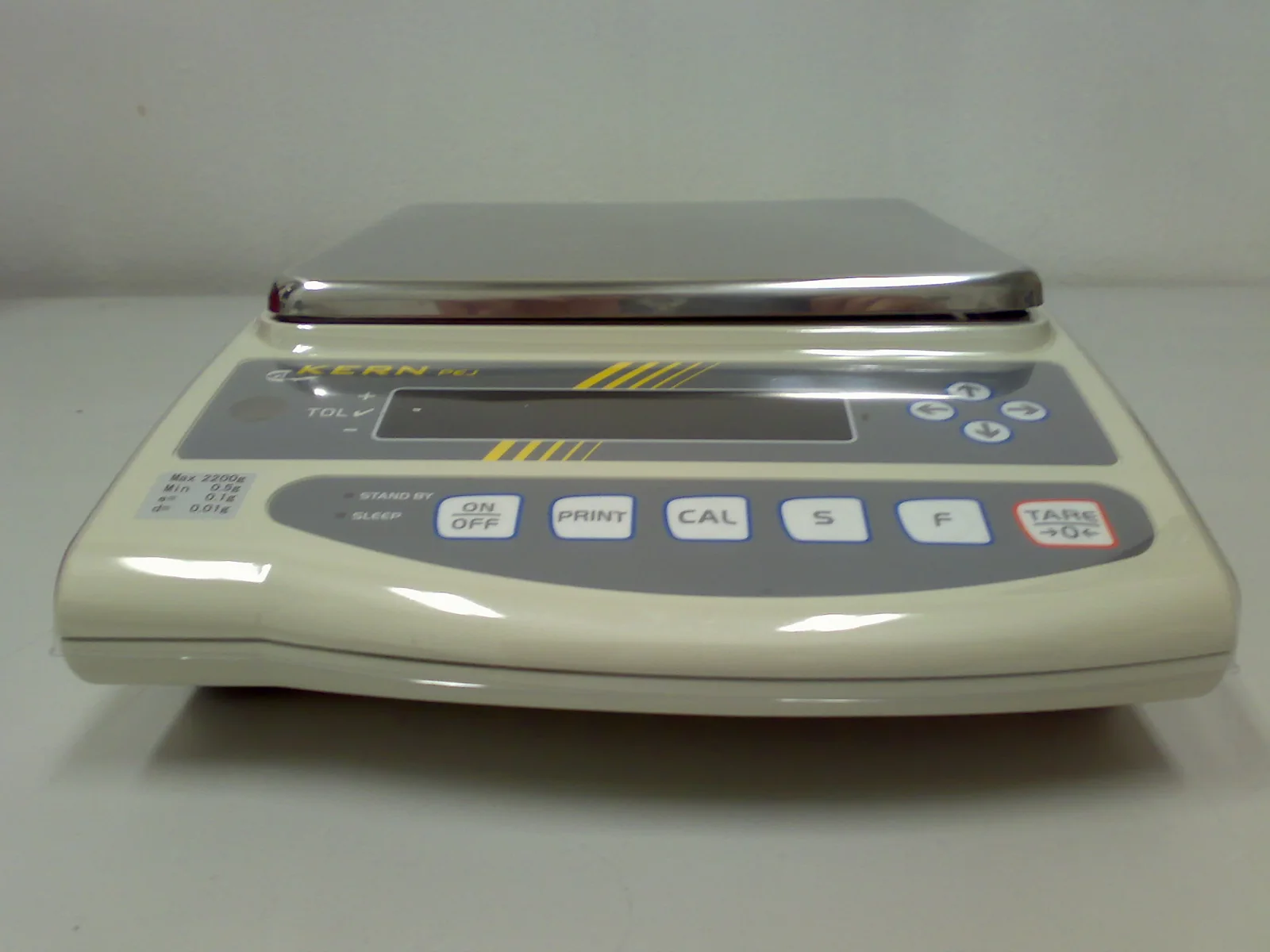
Adding the salts directly to each liter demands extreme precision and a lot of agitation. Hence the concentrate: a large quantity of salts in a little hot pure water, which is stored and then dosed. Weigh once, pour for weeks.
The container first. No metal part, so plastic or glass. And above all not airtight, because the concentrate gives off CO₂ long after it is prepared: the gas has to be able to escape. Gagné uses a 350 mL squeeze bottle for barbecue sauce, after cooling in a glass jar.
The sequence, next.
- Weigh the saltsTo the nearest 0.01 g, with a black plastic or glass spoon, and gloves. Take them in the order in which they get progressively messier: calcium chloride, magnesium chloride, magnesium sulfate, sodium bicarbonate, potassium bicarbonate.
- Heat, then tareBring the distilled water to 90 °C or more. Tare the jar once the salts are in.
- Top upRinse the spoon with a little hot water poured into the jar, then top up to the desired mass of water. This mass excludes that of the salts, which is why the jar was tared just before.
- Let it degasLid set on, never screwed down.
- DecantOnce the jar is cold, stir with a glass or plastic rod, then decant, recovering the solid deposits. Keep in the refrigerator, although the mineral concentration is already hostile to bacteria.
- DoseShake vigorously, weigh the dose to the nearest 0.1 g, pour it into the bottle of pure water, rinse the spoon with a little of this water. Ideally wait thirty minutes.
Water prepared from tap or osmosis water also keeps in the refrigerator: these waters contain bacteria, and osmosis does not remove them all.
Solid particles may appear in the first minutes. These are the impurities tolerated by the food grade of certain salts. In filter, they are of no consequence, because the coffee bed holds them back.
What remains is to choose the strength of the concentrate. The stronger it is, the more precise the weighing, the better it resists microbes, the less room it takes. But it precipitates more. Shake it, otherwise the composition drifts from one dose to the next.
Gagné 2021, pp. 30-32; Park and Hu 2010 on bacteria and reverse osmosisIn this plateThe 13 sections
- 01What water does, and why
- 02Alkalinity and hardness, and the words that mislead
- 03Units
- 04The standard, and the zones that do not coincide
- 05Salts, and the hydrate trap
- 06Getting pure water
- 07Making a concentrate
- 08Published recipes
- 09The profile calculator
- 10Measuring your water
- 11Water in machines
- 12Before chemistry: water in the old treatises
- 13Today
The table of contents, with the first sentence of each section