What goes unsaid about the price of specialty coffee
For a long time, I believed that the price of specialty coffee was a matter of quality. The better it tastes, the higher the price, the more flows back to the producer. A kind of natural justice of the market, made possible by informed consumers and honest roasters.
That's wrong. Not entirely wrong, but wrong enough that it deserves to be talked about differently.
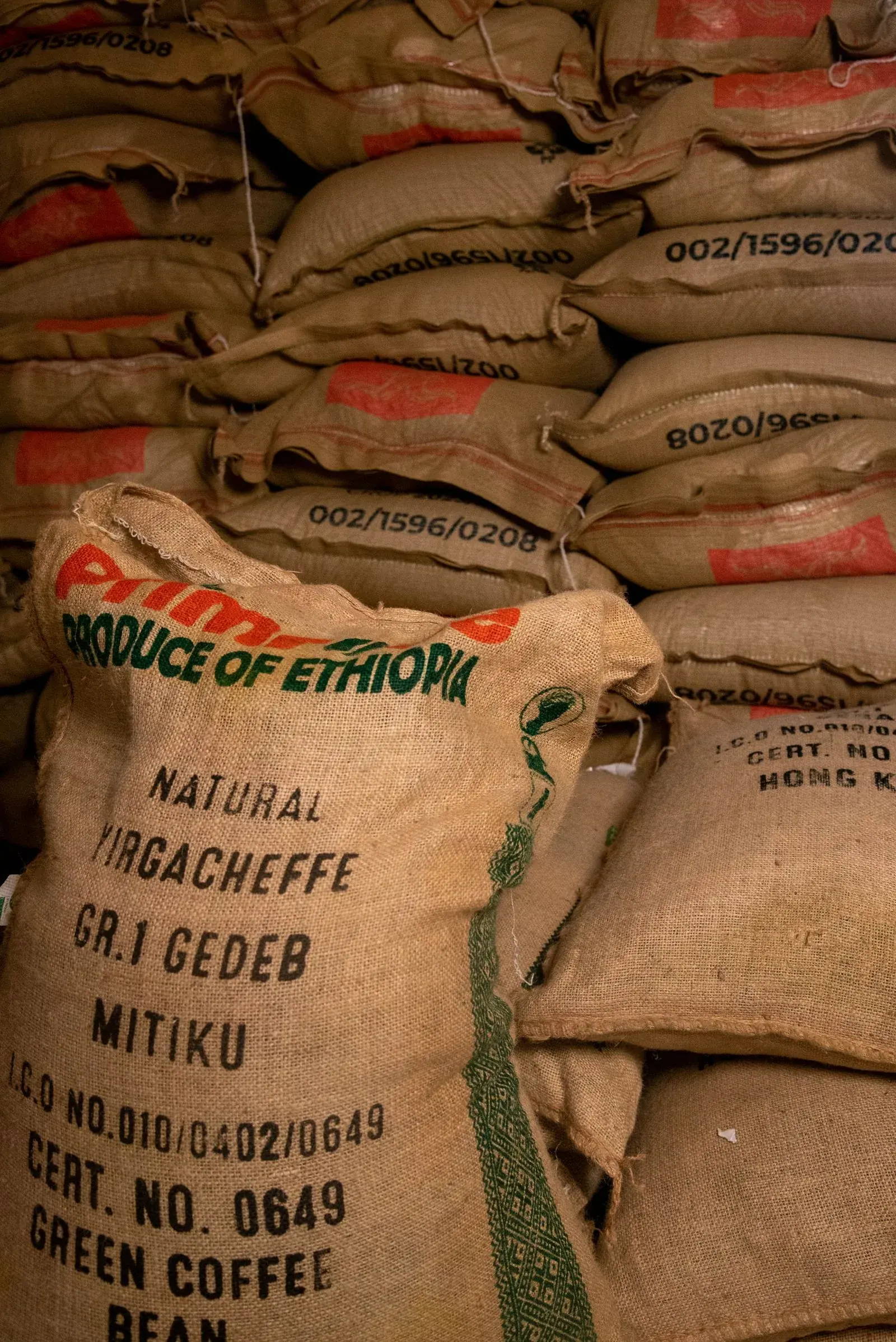
I have worked in coffee long enough to have seen both faces of this industry. The one we show, which is often beautiful, and the one we show less, which is often complicated. And the question of price is probably where the two faces meet most brutally.
What I am going to try to do here is not an indictment. It is rather an effort to look at things squarely, with the humility of someone who does not have all the answers but who thinks the questions deserve better than the usual answers.
There is something we often forget when we talk about the price of coffee: the producer does not really negotiate with us. They negotiate with a global market that couldn't care less about the quality of their work.
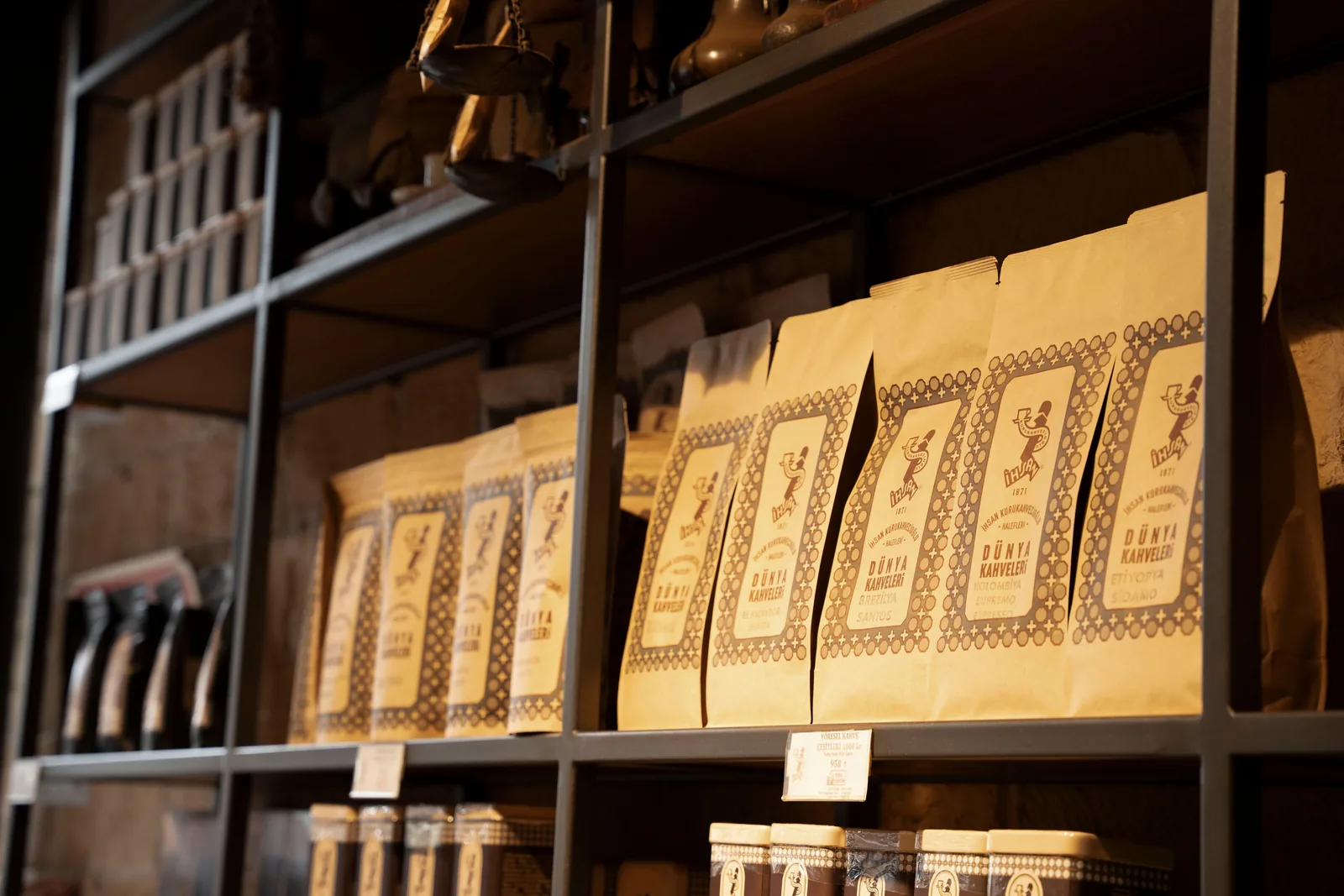
Arabica coffee is priced in New York. Canephora in London. These prices move because of variables that nobody in this industry really controls: a frost in Brazil, a Fed decision, a move by speculative funds that have never set foot on a farm. In 2021, the price more than doubled in a few months. In 2018, it fell below one dollar a pound, a threshold the industry remembers as a black year.
In February 2025, it went above 4 dollars a pound for the first time in its history. And in 2026, it fell back by more than 20% in a few weeks on forecasts of a record harvest in Brazil.
That is not volatility. That is chronic instability. And in this environment, producers are the ones with the least means to protect themselves.
On top of this market base, a differential is added. It is the only part that is truly negotiated, between exporter and importer, sometimes directly between producer and buyer when the chain is short. This differential takes into account origin, quality, certifications, volumes, the relationship between the parties. A well-processed Ethiopian coffee can obtain a significant positive differential. A coffee from a less fashionable origin can end up with a zero or negative differential, whatever the quality of the work behind it.
Exceptional lots, the microlots that win prizes in competitions, can sell for prices that are three, four, five times the world price. In February 2025, a Panamanian Geisha reached 10,000 dollars a kilo at auction, on the very day arabica hit its record high on the exchange. These figures make for nice slides. What they don't say is that they concern a few hundred kilos in an industry that produces them by the billions.
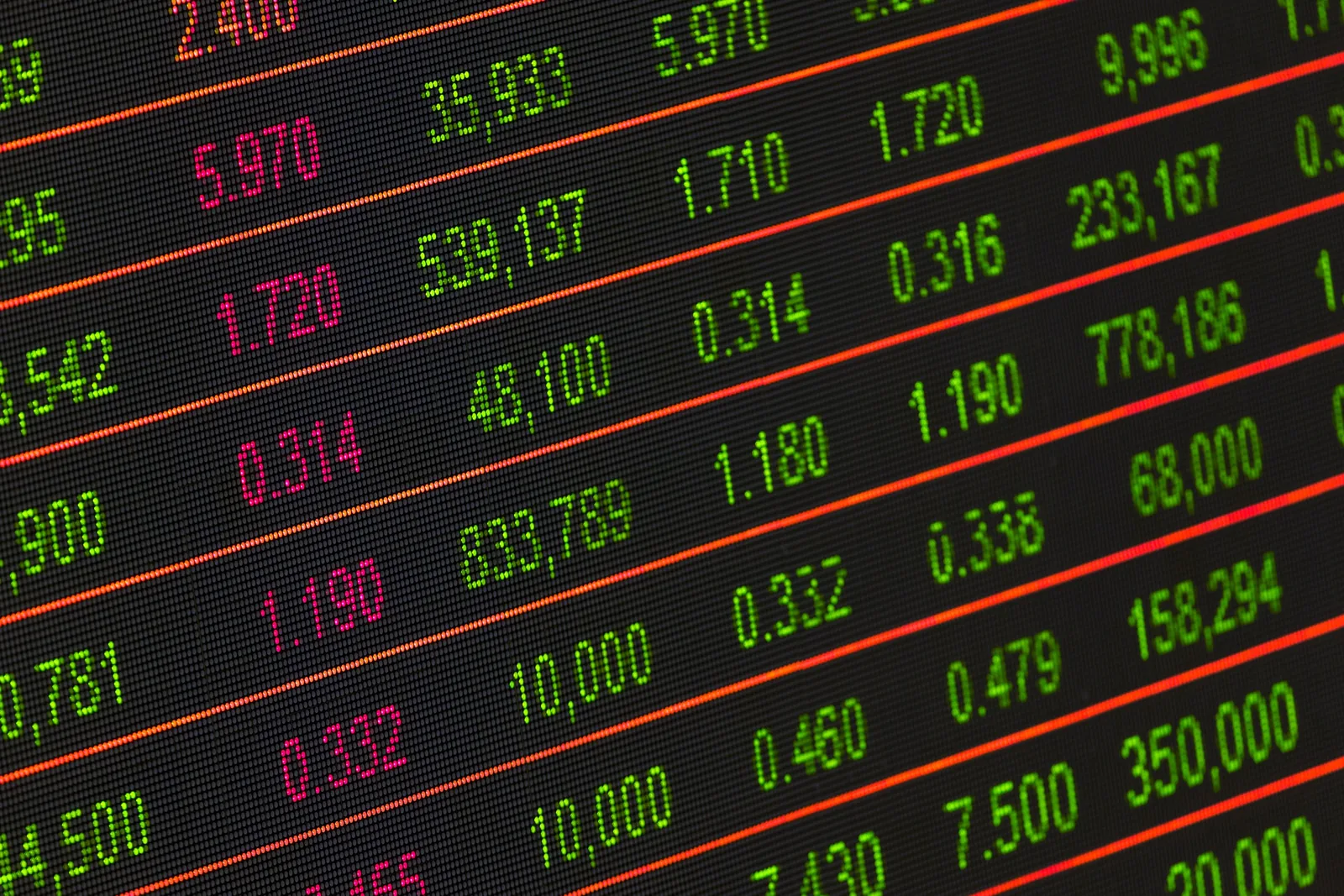
For most specialty coffee transactions, the differential is more modest. And it does not protect against a collapse of the base price. If the world market plunges, the positive differential may barely make up for it.
In 2018, I saw good-quality lots leave at prices that barely covered production costs. Coffee growers went into debt. Not because they worked badly. Because the world market had decided otherwise.
There is a second story, that of fixed-price contracts, which we like to present as the solution. The idea is good: you get out of volatility, you give visibility, you secure both sides. And in many cases, it really does work that way.
But a fair price today is not necessarily a fair price in eighteen months.
Because that is the reality of a green coffee contract. You agree on a price now, for a delivery that may arrive several seasons later. In between, a leaf rust epidemic can wipe out an entire lot. A drought can cut volumes by 30%. Fertilizers can cost twice as much as when you signed. Freight can skyrocket. And the contract holds.
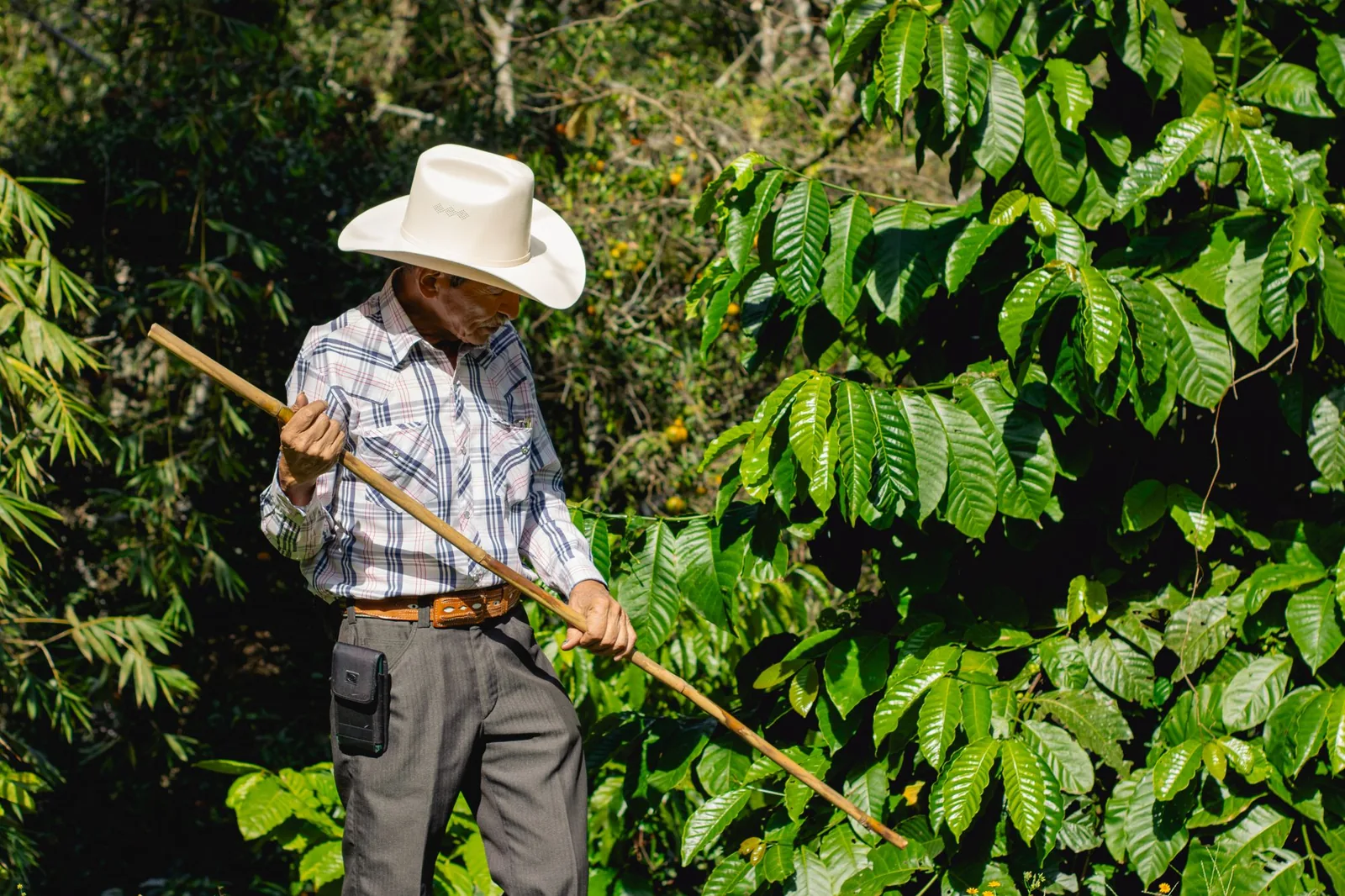
The producer is protected from a falling market, that's true. They are also locked under a ceiling that may no longer reflect anything of what it really costs them to produce. It is a double-edged sword that the industry tends to present as a shield.
That is not a reason not to do fixed prices. It is a reason not to present them as an absolute guarantee of fairness, and to revisit them regularly with the producers we buy from, rather than sticking to the figure signed two years earlier and considering the matter settled.
The third thing we don't say enough is that specialty coffee is only part of what a producer produces. Not the majority.
A coffee season is a distribution. A good year can yield 20 to 25% of a lot that clears the specialty threshold. The rest is split between premium coffee that isn't enough for a single-origin menu and standard commercial coffee. That is not a failure. That is agronomy. A living crop, exposed to the weather at flowering, to the labor available on harvest day, to a thousand details that escape even the most rigorous control.
That 80-82 point coffee feeds families. It often represents the majority of a farm's income, even when it is the exceptional microlot that ends up in the magazines. Its regular marketing, in markets that absorb real volumes, is what allows a producer to plan, to invest, to repay a loan. Specialty coffee, in this context, is a precious complement. Sometimes transformative. But rarely a total substitute for the economy of everyday coffee.
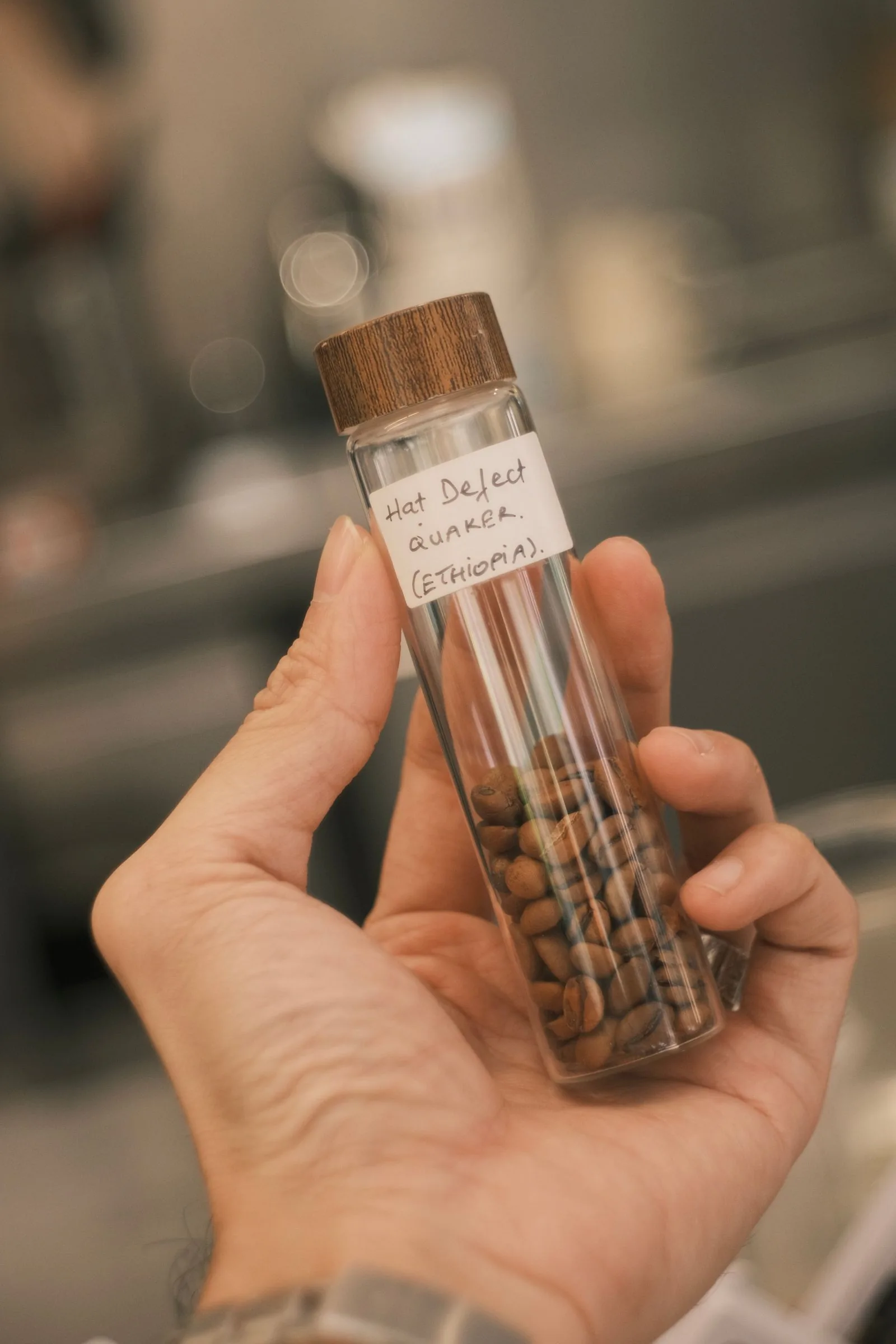
I have seen cooperatives that repositioned themselves entirely on premium quality. That invested in serious post-harvest equipment, sorting tables, fermentation tanks, raised drying stations. And that found themselves with a large share of their harvest unsellable at the hoped-for price, because the specialty market did not absorb those volumes. Demand for exceptional microlots is not infinitely elastic. And exceptional quality cannot be ordered the way you set a thermostat.
There is also something a little uncomfortable in the way some players in specialty only care about the top of a producer's quality pyramid. The 90-point lot that gets showcased in portafilter and flatlay shots, without ever asking what that producer is going to do with the 80% of the harvest that doesn't reach that level. This is not malice. It is a commercial blind spot with real consequences for real people.
The specialty discourse celebrates the exception. It makes invisible what provides everyday economic stability.
Now, the numbers. Because we can talk around it for a long time, but at some point we have to look the waterfall in the face.
A 250-gram bag sold for 24 euros in a specialty shop. That is 96 euros per consumer kilo. Subtract VAT, distribution margins, packaging, final-leg logistics, marketing costs, the shop's rent. What is left is perhaps 35 to 45 euros per roasted kilo for the roaster, if it is a serious artisan player. Out of that amount, the roaster pays their own costs: energy, equipment depreciation, labor, roasting losses, overheads.
What the roaster paid for the green coffee: between 15 and 25 euros a kilo depending on origin and season, for a good specialty coffee in the current price context. The importer, for its part, paid the exporter, handled ocean freight, customs, storage, the financing of the stock, currency risk. The exporter paid the producer, financed post-harvest, labor, local logistics.
At the end, the producer received something that, for an honestly bought coffee, often represents less than half of the export FOB price, once local intermediaries and processing costs are deducted. And for a standard coffee that finds no buyer at the specialty price, sometimes much less.
I am not saying that roasters get rich on the backs of producers. Every link has real costs and real risks. What I am saying is that the distance between the talk about valuing the producer and the reality of the financial flows is often greater than we think. And that this question deserves to be asked clearly: how many roasters who use the word “fair” have really calculated what their producer receives, once the whole chain has played out?
Some have. They publish the price paid at export, the transaction dates, sometimes an estimate of what reached the producer. A few serious players have practiced radical transparency for several years. This movement deserves to be amplified, not because it gives a clear conscience, but because it makes lying structurally harder.
There is something the numbers don't capture well, and which is nevertheless perhaps the most decisive element in how value is really distributed: the length of the relationship.
A producer who has worked with the same buyer for seven years is not in the same position as a producer who changes buyer every year depending on the best price offered on the sample. This is not a naive observation about loyalty. It is an economic observation. Duration creates trust, and trust creates the conditions in which real conversations can take place. The ones where the producer says “I had a bad season, I need to adjust” and where the buyer can answer with something other than a refusal or a broken contract.
I have seen importers who advance money to producers before the harvest to finance inputs, equipment, sometimes labor. Not out of philanthropy, but because that is how you secure a quality supply over the long term. I have seen roasters who commit to multiyear volumes, not because it is in their immediate interest, but because they understood that quality is built in continuity and not in the one-off transaction.
These models exist. They are not the norm. But they show that the question of shared value is not played out only in the price per kilo. It is also played out in the structure of the relationship, over time. A decent price in a contract renegotiated downward as soon as the market moves is less attractive for a producer than a slightly lower but stable price, with a partner who absorbs the ups and downs with them.
This is hard to get across in an industry that tends to communicate about moments, origins, vintages, scores. Duration can't be posted as a story.
There is a recent development that changes the general equation a little, and that I have been watching for a few years with great interest. World coffee is no longer traded only between a handful of European and American buyers and producers in a structurally weak position. New buyers are arriving, with their own logics, their own domestic markets, their own appetite for quality.
Chinese, Korean, Japanese buyers. Platforms operating out of Dubai. The result, on the differentiating segments, is increased competition for the same lots. And when several buyers fight over the same lots, prices go up. You can see it on Panama Geishas, on certain Cup of Excellence auctions, on Ethiopian or Honduran microlots that five years ago would have found a buyer at a reasonable price and that today go at levels once unimaginable.
That is good news for the producers who grow these coffees. A balance of power that rebalances a little. A chance to no longer depend on a single market or a single network.
It is more ambivalent news for the downstream chain. When the cost of the raw material goes up, roasters' margins get squeezed, or consumer prices rise, or both at once. Independent cafés that had built their model on an offer of quality at an accessible price find themselves with equations that no longer work as well.
And one question remains open: does this additional value really flow back to producers, or does it stay with the new intermediaries positioning themselves on these flows? The history of coffee is paved with promises of shared value that did not always hold. Nothing says the newcomers will hold up better than the old players. Perhaps with more buyers competing, the trade-offs will be less unfavorable to origin. But that is an intuition, not a certainty.
On the environment, I am going to be direct, because the subject deserves better than the usual shortcuts.
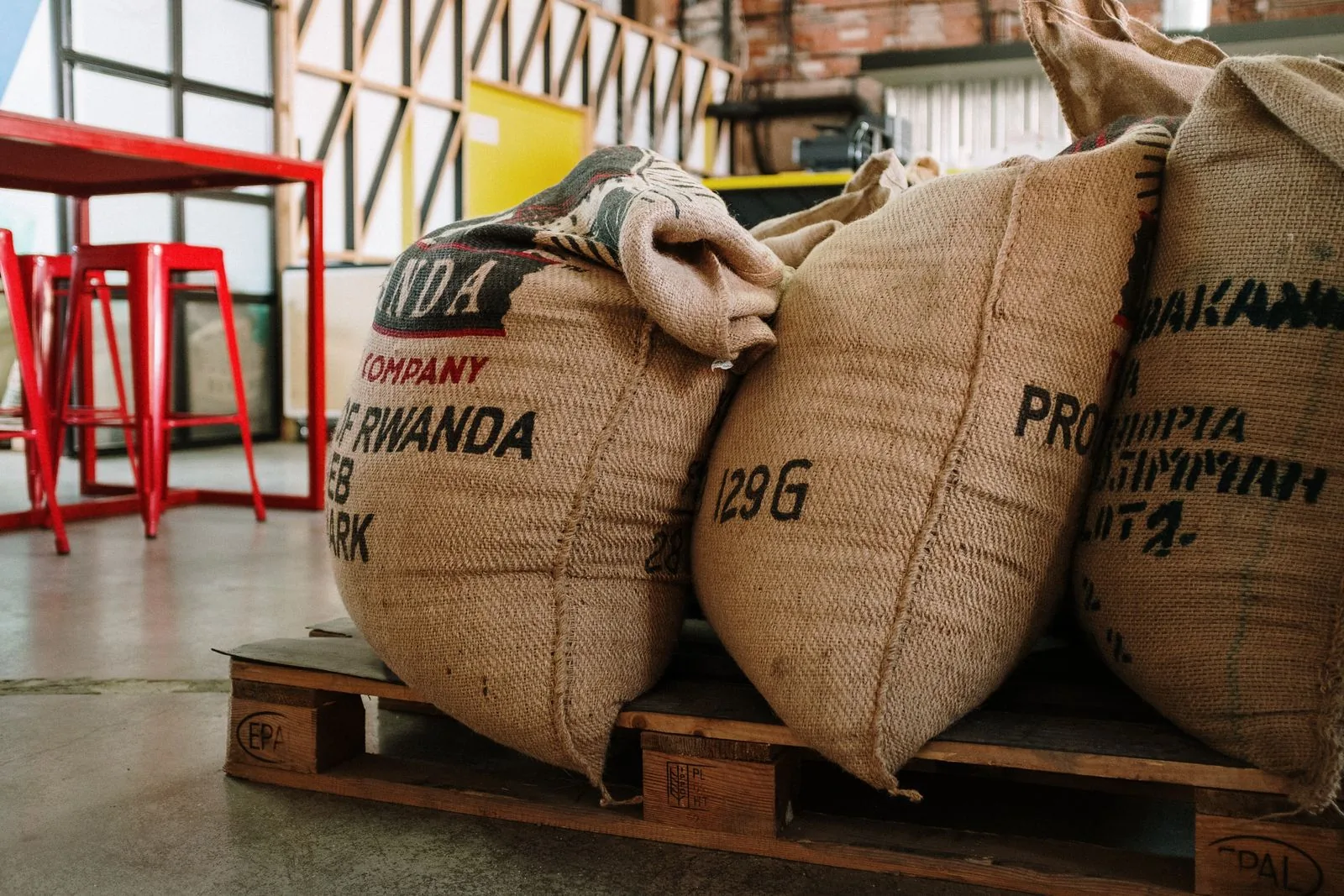
There is some truth in the ecological image of specialty coffee. Quality arabica often grows under shade, in a de facto agroforestry system, because that is how the terroir works, not out of ideology. These systems have real effects on local biodiversity, water retention in soils, disease resistance. World Coffee Research estimates that arabicas in intensive monoculture could lose up to 25% of their yields in the coming decades. Agroforestry is not an ethical posture, it is a necessity that is starting to impose itself through agronomic evidence.
But a sensory score of 87 points measures the cup. Not farming practices. Not the management of wash water, which can pollute waterways when it is not treated. Not working conditions during the harvest. A coffee scored 87 can come from an exemplary farm or from one with questionable practices. The score is not an environmental label, and confusing it with one would be a mistake.
Organic certification is often out of reach for small producers not because they use inputs, but because audit costs exceed their means. Many work organically de facto without ever being able to make a commercial case for it. Certifications are better than nothing. They are not worth the direct relationship, the field visit, the conversation that lets you know what is really going on between two audits.
What I am trying to say, putting these observations end to end, is that specialty coffee has a problem of badly calibrated promises. Not bad intentions, on the whole. But promises worded too vaguely to be kept or contradicted, and this vagueness structurally suits those who have no wish to be seriously evaluated.
“Valuing the producer”: to what extent, against what benchmark, compared to what?
“Sustainable practices”: audited by whom, under what protocol, with what penalties for deviations?
“Total traceability”: down to which plot, with what independent verification?
These questions are not rhetorical. They are questions of the trade. And the way we answer them, or avoid answering them, says a lot about the reality of a commitment.
What I have gradually learned to do: go further than the catalog. Ask uncomfortable questions of the exporters I work with. Ask to understand how the price I negotiate is distributed upstream. Accept that some answers will displease me, and that this displeasure is useful information.
What I have learned not to do: let myself be seduced by a beautiful story about a third-generation producer family without asking what it actually earns. Confuse packaging with a policy. Take traceability for transparency. They are not the same thing. Traceability says where the coffee comes from. Transparency says how much each link earned along the way. The two notions only overlap when someone has decided to make them overlap.
There is a question we dodge far too often: who can really afford this coffee?
The average French consumer cannot afford to pay 24 euros for 250 grams every morning. That is not a lack of awareness. It is a real budget constraint. And the discourse that implies that only someone who buys responsible specialty deserves to be considered ethical in their food choices is a class discourse, whether we like it or not. We don't ask people to choose between paying their rent and buying an ethical coffee. If we do so implicitly, we miss something essential about what accessibility means.
The real structural question, the one we rarely discuss, is how to raise the level of what exists at 8 or 12 euros a kilo, rather than concentrating all the innovation on the segment that can afford 96 euros per consumer kilo. It is not glamorous. It is not what makes for beautiful campaigns. But it is structurally more useful for the producers whose interests we claim to defend, because it represents volumes, and it is volumes that make stable incomes.
Specialty coffee is neither a scam nor a panacea. It is a workspace where things can be done better than elsewhere, provided we look honestly at how they work, not at how we would like them to work.
What I want, for my part, is to keep working with people who prefer real conversations to beautiful slides. Exporters who talk about their costs without it being a negotiating tactic. Producers who explain a bad season without trying to cover it up. Colleagues who know how to say I don't know.
That is not an unattainable ideal. It is just harder than printing a beautiful story on a bag.
Marco De Sousa Rosa, Head of Coffee, MaxiCoffee