The coffee we think we already know
Habits, cultures and the transmission of taste
In this text
- Introduction · The coffee we think we already know
- Chapter 1 · Why talking about being behind is too simple
- Chapter 2 · The taste of coffee is an inheritance
- Chapter 3 · Restaurants, coffee's blind spot, and the folklore of the gesture
- Chapter 4 · Newer markets: freedom, speed and new illusions
- Chapter 5 · Specialty coffee: structuring without excluding
- Chapter 6 · Situated quality: good for whom, for what, at what moment?
- Chapter 7 · Passing on without imposing
- Conclusion · Coffee changes, but our landmarks change more slowly
Introduction · The coffee we think we already know
There are products we discover, and others we think we already know.
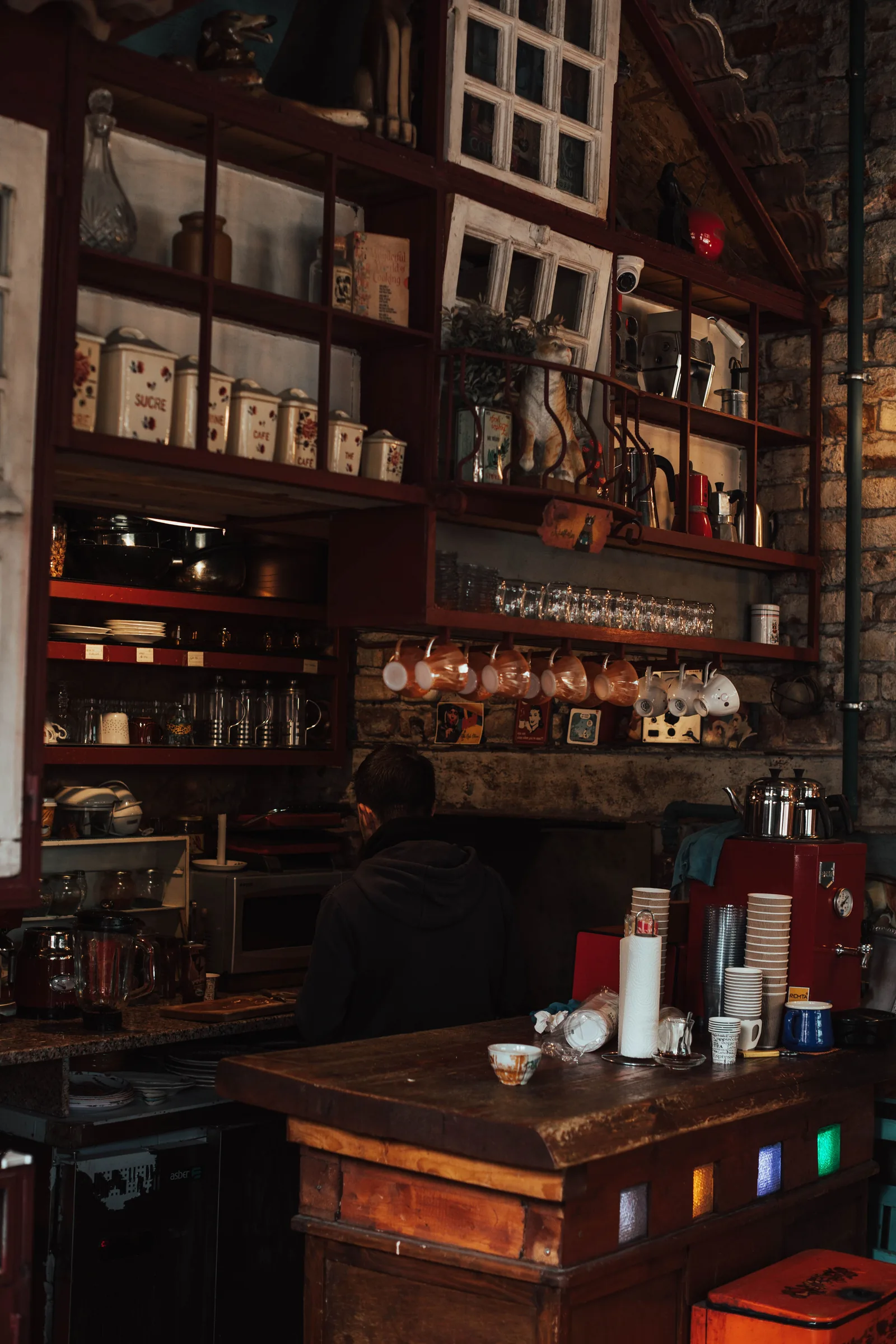
Coffee clearly belongs to this second category. In Europe, it is everywhere: at the counter, at the end of a meal, at the office, in a waiting room, at a highway rest stop, at home in the morning. It accompanies so many moments that it ends up becoming almost invisible. We often drink it before even asking ourselves what we really expect from it.
And perhaps that is where things get complicated…
For several years now, coffee has been changing fast. Farming practices are getting more precise, processes are diversifying, roasting is being refined, machines are improving, curious consumers are discovering new profiles. We talk more about origin, fermentation, freshness, extraction, traceability. On paper, everything seems to be heading toward higher quality.
And yet this evolution is not always received as obvious progress.
A lighter espresso can be judged too acidic. A more expressive coffee can seem weird. A better-crafted cup can lose someone who was simply looking for a familiar landmark. And in some venues, people still prefer to display a manual machine because it “looks like coffee,” even if a better-suited solution would sometimes deliver a more consistent cup.
It is not very comfortable to say, but that is often where the subject becomes interesting: we don't always choose what best serves the cup. Sometimes we choose what best matches the image we have of a “real coffee.”
This article does not seek to set those who know against those who don't. That would be pretentious, and above all useless. It seeks instead to ask a simple question: how does a product evolve when those who drink it already have a history with it?
Because a coffee never arrives alone in a cup. It arrives with habits, gestures, expectations, sometimes imprecise words, and memories too. And if we want to understand why some markets change fast while others move more slowly, perhaps we should look less at trends, and more at the cultural frameworks in which coffee is received.
Not to give a definitive answer. Rather to open up avenues. And to put a little humility back into the way we talk about coffee.
Which, between us, will do no harm to anyone.
Chapter 1 · Why talking about being behind is too simple
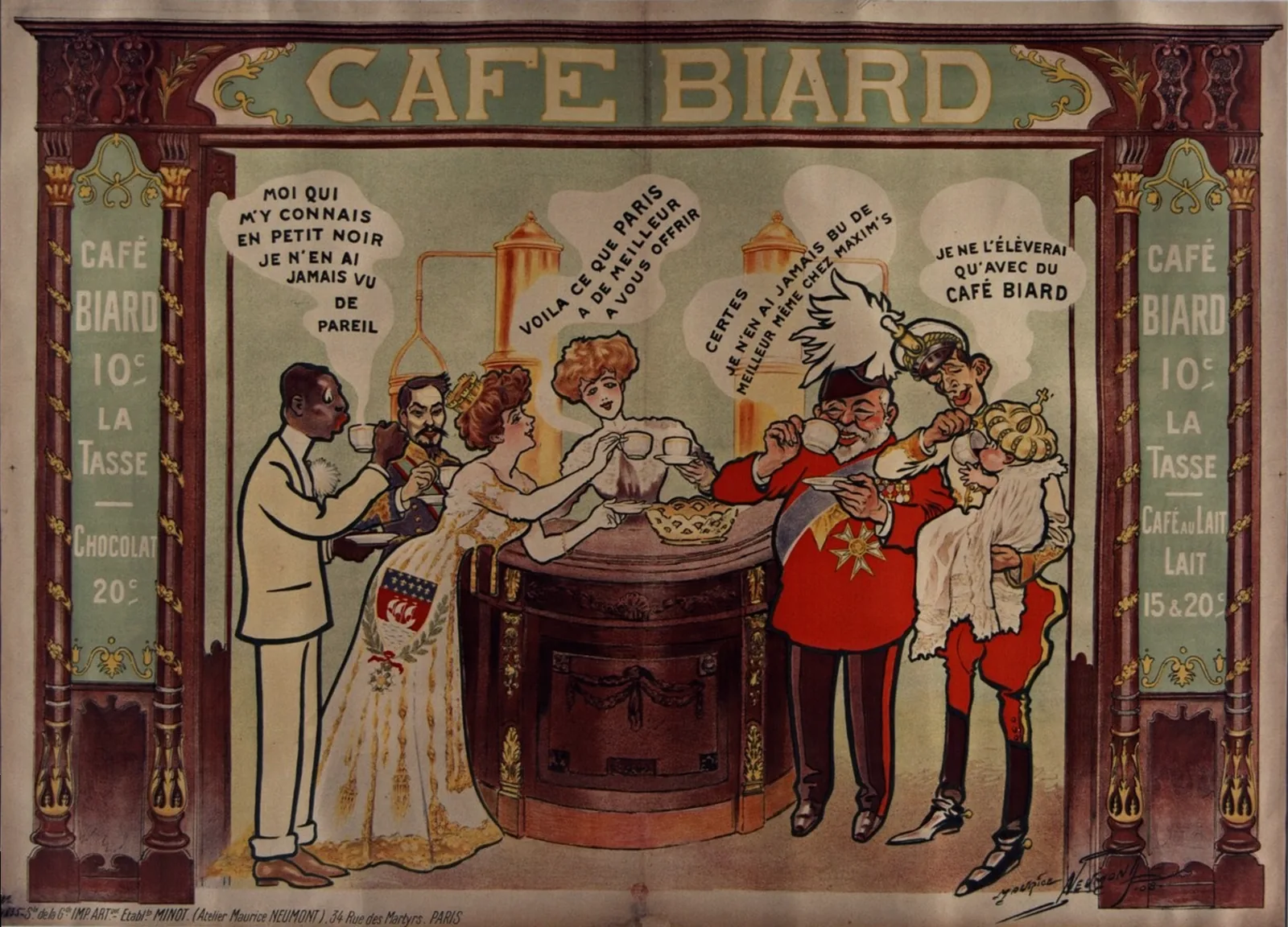
We often hear that some coffee markets are behind. Europe would be too attached to its habits, too settled in its short, intense, bitter, reassuring espresso. Conversely, newer markets would adopt filter coffees, light profiles, hybrid drinks, expressive processes and modern machines faster.
Seen from afar, the reading is tempting: some are moving forward, others are dragging their feet.
But this reading is too simple.
It assumes there would be a single road, a single right direction, a single legitimate pace of evolution. As if all markets started from the same place, with the same expectations, the same landmarks, the same imaginaries. But coffee never develops on a blank page. It always arrives in a culture that is already occupied.
What sometimes slows down an old market is not necessarily its lack of curiosity. It is rather the weight of what it has already built. In Europe, coffee has long had a clear social function: it closes a meal, accompanies a break, is drunk quickly at the counter, serves as a landmark in the day. It is so present that it seems self-evident. And when a product becomes self-evident, it becomes hard to question.
In a newer market, the mechanism can be different. If coffee does not yet have a dominant definition, it can more easily welcome varied forms: a light filter, a fruity espresso, a crafted milk drink, a cold coffee, a more technical extraction. All of this can coexist faster because there are fewer old landmarks to move.
That is not necessarily higher quality. It is often more plastic.
And this is where we must avoid the opposite fantasy. Newer markets can produce very beautiful things, but also empty concepts, fast standardization, spectacular marketing with a rather mediocre cup behind it. Openness does not guarantee quality. It simply makes experimentation easier.
The real difference is perhaps this: some markets can learn new codes directly, while others must first negotiate with codes already in place.
Learning a new practice is one thing. Re-examining a practice already ingrained is another.
We find this phenomenon in other food products. Bread, wine, beer and chocolate have all known this tension between habit and redefinition. When a product has been part of daily life for a long time, improving it is not enough for it to be better received. You also have to shift the criteria that let people recognize it as better.
And that is much slower than a technical improvement.
That is why we should be wary of quick rankings of “ahead” and “behind” countries. They give an impression of clarity, but they obscure the real questions.
A market that moves slowly is not necessarily closed. It may be a market where the landmarks are heavier to move. Conversely, a market that adopts quickly is not necessarily more mature. It may simply be in a phase where the codes are still being built.
So the real question is not: who is going fastest?
It would rather be: what does each market have to move in order to evolve?
And this question changes everything. It forces us to talk less about performance and more about culture. Less about delay and more about trajectory. Less about judgment and more about context.
Because at bottom, making coffee evolve in an old market is not only about offering a better cup.
It is about offering another way of recognizing what a good cup is.
Chapter 2 · The taste of coffee is an inheritance
We like to believe that taste is a personal matter. “I like my coffee strong.” “I don't like acidity.” “I need an espresso with body.” We say it as if our preferences came out of nowhere, as if the palate decided alone, freely, without influence.
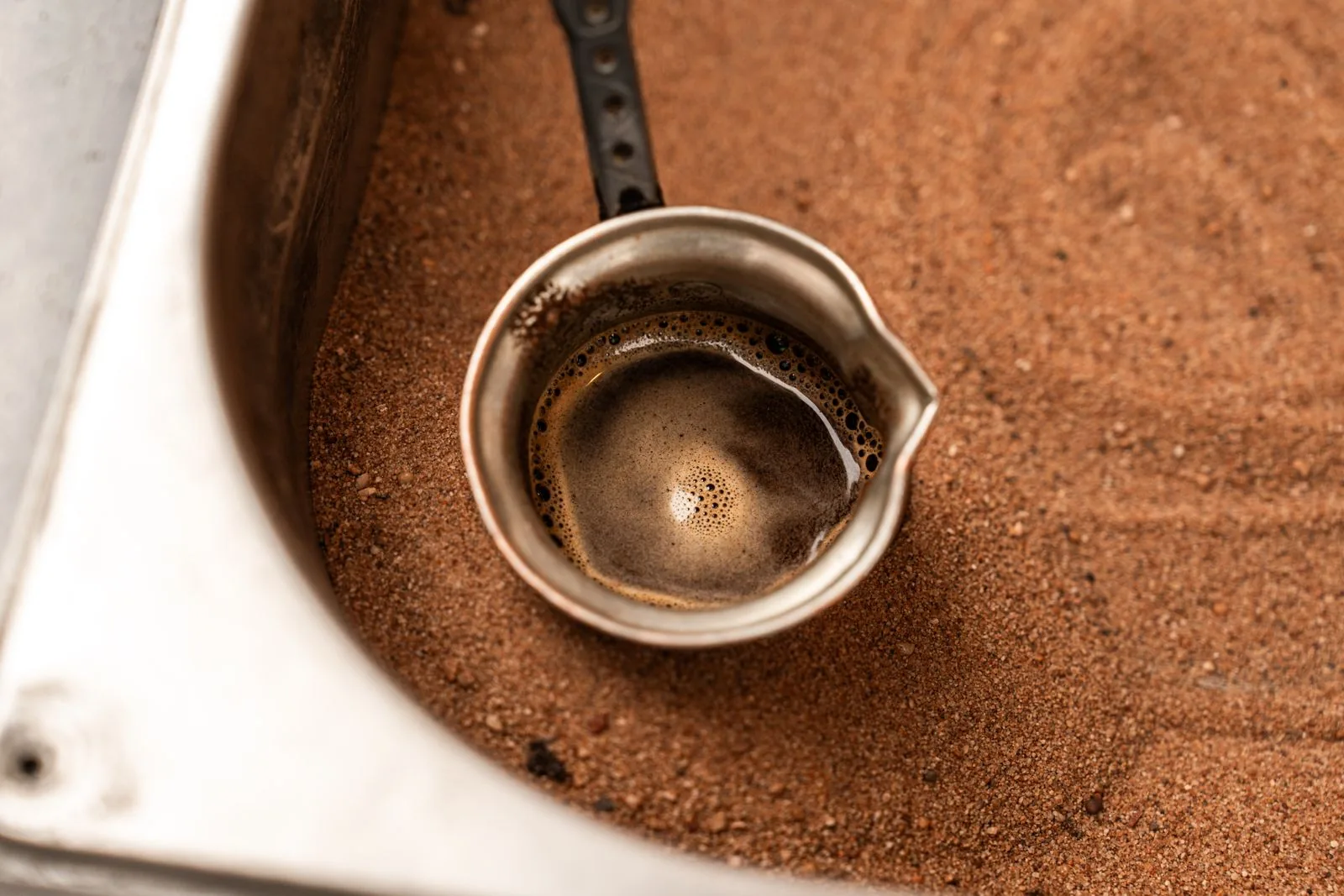
In reality, taste is built. It is repeated. It is inherited. It is validated by those around us, by habits, by the places where we drink it, by the coffees we have been served for years. Coffee is not only tasted: it is learned.
And often, it is learned very early.
We see it with parents, at the counter, at the end of a meal, in offices, in vending machines, in the morning capsules. It arrives with a smell, a gesture, a sound, a color, a promise: wake up, conclude, hold on, take a break. Before it is even analyzed, it is already associated with a function.
That is why coffee is so hard to move. It doesn't touch only the palate. It touches a memory.
In many European cultures, a good coffee must still “feel like coffee.” The phrase seems silly, but it says a lot. It must be intense, hot, short, sometimes bitter, with a feeling of power. These signs are not always signs of quality, but they have become signs of recognition. And in food, recognizing sometimes matters as much as appreciating.
That is where many misunderstandings are born.
A light, fruity, floral or more tangy coffee can be very well produced, very well roasted, very well extracted. But if it doesn't send back the expected signals, it can be perceived as weak, strange, incomplete. Not necessarily because the person has “no palate.” That phrase, besides being condescending, is useless. Most of the time, the person simply doesn't have the landmarks to read what they are tasting.
When someone says “it's acidic,” they are not always talking about acidity in the technical sense. They may be talking about liveliness, about a lack of bitterness, about an unfamiliar sensation, about a coffee that doesn't match their idea of coffee. The word is sometimes imprecise, but the feeling is real.
And this is where the professional has to be careful.
Answering “No, it's not acidic, it's complex” is rarely a brilliant strategy. It may be true, but it often shuts down the conversation. Because the point is not only to correct a vocabulary. The point is to understand what the person is trying to say with the words they have.
We accept this idea quite readily with wine. Nobody finds it absurd that a wine asks for a little context, comparison, learning. With coffee, we often expect immediate obviousness. It must please quickly, speak quickly, reassure quickly. Perhaps because it is an everyday thing. Perhaps because it was long treated as a stimulant before being thought of as a gastronomic product. Perhaps also because nobody has really taken the time to give it an accessible language.
Yet this is where everything is at stake.
If coffee must always be immediately recognized to be accepted, then everything that widens its definition becomes fragile. A finer, fruitier, softer, more complex profile can represent real progress, but provoke a form of rejection if it arrives without transition.
That is why certain “intermediate” coffees have an essential role. Not intermediate in the sense of mediocre. Intermediate in the sense of bridges. Coffees able to keep a certain roundness, legibility, comfort, while opening toward something else. More sweetness, more clarity, more freshness, but without asking the consumer to change cultures in one cup.
Because yes, sometimes that is exactly what we do. We serve a coffee very far from a person's landmarks, then we are surprised that they don't understand it. It is a bit like putting a book in Japanese in front of someone and blaming them for not appreciating the poetry: ambitious, but slightly unfair.
So the real question is not whether people like more complex coffees or not. It is how we bring them to them. With what words, what formats, what uses, what points of support.
An inherited taste is not corrected. It is moved.
And to move it, you first have to respect it. Not flatter it stupidly, not freeze it, not give up on all standards. But understand that a habit is not a mistake. It is a starting point.
Perhaps that is the most delicate work around coffee today: not only producing more interesting coffees, but creating the conditions for them to be received as such.
Chapter 3 · Restaurants, coffee's blind spot, and the folklore of the gesture
There is a rather strange paradox in restaurants: the more we talk about the product, the more coffee sometimes seems to fall outside the frame.
You can build a menu around producers, seasons, heirloom varieties, specific flours, forgotten vegetables, aged meats, raw butters, salts chosen almost like jewels. You can explain a cooking method, defend a fermentation, tell the origin of a pepper or the hand of a market gardener. And that is very good. This demand has moved many things forward.
Then comes the end of the meal.
And there, in many places, coffee becomes an automatism again.
Not always, of course. There are restaurants that really work on the subject, that choose a roaster with care, that taste, that adjust, that look for coherence between their cooking and the final cup. But at the scale of the industry, that is still a minority. Too often, coffee is treated as an expected service, not as a product in its own right.
What is astonishing is not that not every restaurant serves an exceptional coffee. That would be unrealistic, and a bit naive. Restaurants are already a trade under strain, with complicated margins, staff turnover, services to run, a thousand emergencies to handle. The problem is not there.
The problem is that coffee is not even always identified as a subject.
It closes the meal, it is part of the ritual, it is there because it has to be there. It is asked to be hot, fast, acceptable, sometimes profitable. But rarely to extend the experience of the meal with the same level of intention as the rest. As if coherence stopped at dessert.
And yet, the last impression counts. An average coffee after a very beautiful meal doesn't necessarily destroy the experience, but it creates a strange exit. A bit like a beautiful sentence ending on a typo. It's not dramatic, but it shows. Well, you taste it.
The point is not to turn every restaurant into a coffee shop. That would be absurd. A restaurant doesn't always need a rare coffee, an experimental microlot or a menu of gentle brewing methods as long as a rainy Sunday. What it needs above all is a coffee consistent with its level of promise. Fresh, stable, well extracted, understandable, suited to the pace of service and the expectations of the place.
This is where the subject becomes more pragmatic.
A coffee that is excellent on paper can be bad in a restaurant if it isn't suited to the context: badly adjusted grinder, uncontrolled water, poorly maintained machine, poorly trained staff, irregular throughput, coffee oxidizing in the hopper, a recipe never checked. Conversely, a less spectacular coffee that is well chosen, well adjusted and consistent can deliver a much more fitting cup.
This forces us to ask a slightly less comfortable question: are we looking for the most “noble” coffee, or the most relevant coffee for the real use?
And this question applies to the tool as well.
In many venues, a manual machine gives the impression that the coffee question is being dealt with. Visually, everything is there: the machine, the grinder, the portafilter, the gesture, the coffee flowing. It reassures. It “looks like coffee.” It tells a story of immediate craftsmanship.
But a manual machine is not a sign of quality. It is a demanding tool.
When the team is trained, the coffee is fresh, the grinder is adjusted, the water is controlled and the machine is maintained, it can turn out magnificent cups. But without method, the gesture becomes a decoration. A portafilter locked in by hand does not make up for a badly adjusted grind. A beautiful chrome machine does not make up for an oxidized coffee; a visible gesture does not replace a fitting cup.
This is what I would call the folklore of the gesture: the moment when we confuse the staging of know-how with know-how itself.
In some restaurants, hotels or service venues, a well-adjusted automatic or semi-automatic solution would perhaps be more coherent than a poorly run manual machine. Not nobler, not more visually seductive, but more consistent. And sometimes, consistency is precisely what the place needs.
That is not a defeat for know-how. It is a recognition of reality.
Know-how is not found only in the hand that pulls the shot. It can be in the choice of the coffee, the recipe, the water, the adjustment, the maintenance, the adaptation of the tool to the context. It can even be in accepting that the most professional tool is not always the one that impresses the customer most, but the one that best respects what they are going to drink.
At bottom, the real question is not “manual or automatic?” It is much simpler, and much more demanding: which system allows us here, with this team, this volume, this pace and these expectations, to serve the most fitting cup?
Perhaps that is the real stake for restaurants. Not to make coffee a new ground for snobbery, but to give it back a logical place in the experience. To ask which coffee best serves the house. Which profile best accompanies the end of the meal. Which intensity, which texture, which length, which sweetness. Which machine really serves the project, instead of merely decorating it.
These questions are not decorative. They change the cup.
And they also change the way the customer perceives coffee. Because a well-thought-out coffee in a restaurant can do more for the evolution of taste than a long technical speech. It arrives at an accessible, familiar moment, without pressure. It doesn't ask the customer to become an expert. It simply offers an experience that is slightly more fitting than the one they expected.
That is often how habits move: not through brutal rupture, but through gentle surprise. A cup that doesn't try to prove something, but makes you want to ask yourself a question.
“Huh, why does this one seem better to me?”
And sometimes, that is more than enough to open a door.
Chapter 4 · Newer markets: freedom, speed and new illusions
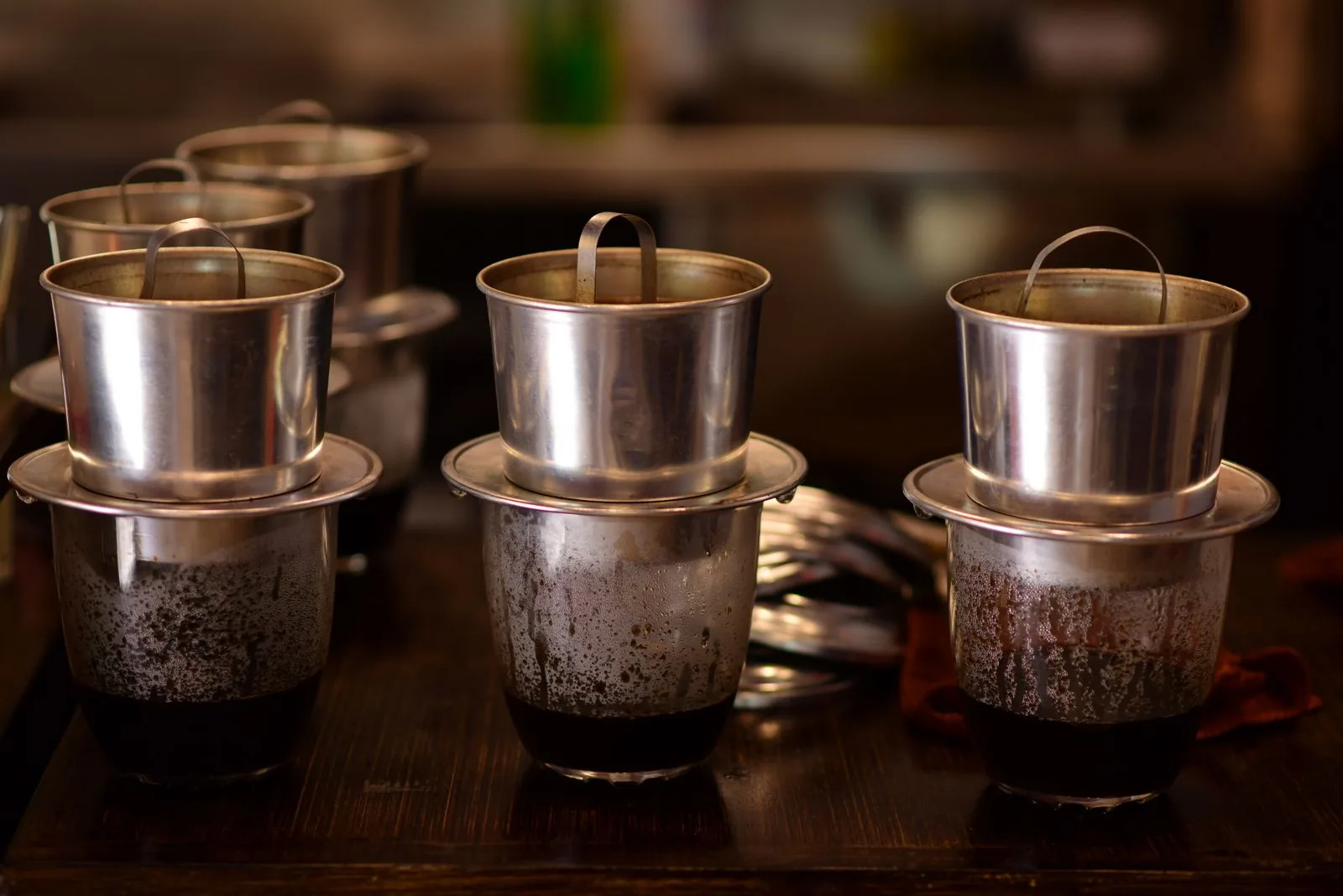
When you look at certain newer markets, you quickly understand why they give an impression of being ahead. In South Korea, in certain big Chinese cities, or even in the Australia of the great years when modern coffee was taking shape, coffee sometimes seems more mobile, more open, quicker to absorb new formats.
There you see very light filter coffees, crafted milk drinks, cold coffees, seasonal menus, expressive fermentations, highly designed venues, very recent machines, experiences conceived almost as complete cultural objects, all living side by side. Coffee is not only a drink. It becomes a place, an aesthetic, a social practice, sometimes even a generational marker.
Seen from Europe, it can give a rather unsettling impression: while some are still arguing about whether a fruity espresso is a “real coffee,” other markets already seem to be playing with every possible format.
But we must stay careful.
These markets are not magically smarter, more advanced or more open. They are often less constrained by an old definition of coffee. That is not the same thing.
When a coffee culture is built later, it can absorb several influences at the same time: Italian espresso, the American coffee shop, the Nordic filter, Asian milk drinks, specialty coffee, digital chains, experience design. Everything arrives almost together. There is not always a dominant historical model to defend, so the offers can coexist more easily.
That is a strength.
A floral filter coffee doesn't necessarily have to fight traditional espresso. A sweet milk drink doesn't automatically destroy a tasting culture. A very technical coffee can exist alongside a more accessible offer. It is sometimes messy, but alive.
This freedom allows quick testing. Quick hybridizing. Making coffee desirable in ways other than tradition alone. Korea shows this relationship to place and experience very well. Urban China shows an impressive ability to integrate coffee into modern, fast, connected, sometimes very hybrid uses. Australia showed that an everyday coffee could become much better without necessarily becoming intimidating.
But this speed also has its downside.
A market that adopts fast can also copy fast. Standardize fast. Turn demanding codes into decor. You can take over the aesthetic of specialty coffee, the vocabulary, the machines, the minimalist packaging, the signature drinks, without always building the product depth behind them. Folklore exists in newer markets too. It just wears newer clothes.
And this is where the comparison becomes interesting.
Old markets sometimes have too much memory. Newer markets can sometimes lack perspective. The former resist because they have very settled landmarks. The latter move fast, but can quickly freeze new habits, sometimes as superficial as the ones they seemed to leave behind.
No market is naturally free. Some are only at one moment of their history.
That is why it would be rather lazy to want to copy what is done elsewhere. The real question is not whether we should become more Korean, more Chinese, more Australian or more Nordic in the way we think about coffee. The real question is rather: what do these markets reveal about our own blockages?
They show that a coffee can be desirable in other ways. Through place. Through cold. Through milk. Through design. Through service. Through ease of access. Through technology. Through formats less stuck in the idea of the “real coffee.”
They also show that quality does not progress only through the purity of the product, but through the ability to create uses that make people want to step in.
And here, Europe probably has something to observe. Not to copy blindly. Copying is often the most elegant way of understanding nothing.
Observing, on the other hand, can be useful.
Observing how some markets make coffee more accessible without always simplifying it. How they accept hybrid formats without immediately treating them as betrayals. How they speak to audiences who don't feel obliged to choose between tradition and modernity.
Then sorting through it.
Because not everything is worth keeping. Speed can produce quality, but also a lot of noise. Aesthetics can support the experience, but also mask a weak cup. Innovation can open doors, but also become a mere machinery of permanent novelty.
At bottom, newer markets are not necessarily a model to follow.
They are rather a mirror.
They force us to ask a question that old markets sometimes avoid: what are we really protecting when we defend a tradition?
A taste?
A gesture?
A memory?
Or simply the habit of no longer asking the question?
Chapter 5 · Specialty coffee: structuring without excluding
Specialty coffee had an enormous merit: it gave relief back to a product that many had ended up reducing to a color, a strength or a brand.
It put essential questions back on the table. Where does this coffee come from? Who produced it? How was it harvested, sorted, processed, roasted, extracted? Why does it taste different from another? What are we really paying for when we pay more?
On these points, it has clearly moved the industry forward. It would be dishonest to deny it.
It made it possible to leave behind a logic in which coffee was often interchangeable. It reintroduced origin, traceability, seasonality, freshness, roasting precision, the diversity of profiles. It also made more visible part of the work done upstream, by producers, in washing stations, in process choices. In short, it made visible a complexity that already existed, but that the market did not always tell.
The problem is that this visibility also created a language.
And like all languages, it includes as much as it excludes.
For someone who knows the codes, talking about acidity, variety, fermentation, terroir, score, washed coffee, honey process, natural or anaerobic helps them better understand what they are drinking. These are useful landmarks. They give precision. They keep us from reducing everything to “strong,” “mild” or “bitter.”
But for someone who arrives without these keys, this vocabulary can quickly look like a closed door.
Not because the words would be useless. Because they sometimes arrive too early, too fast, with no point of support. You can explain that a coffee is floral, juicy, fermented, with a bright acidity and a yellow-fruit finish. Fine. But if the person across from you simply wants to know whether they will get a pleasant coffee after their meal, we are already no longer talking about quite the same thing.
This is where the term “specialty” becomes ambiguous.
It is useful, because it creates a category: this coffee has been selected with more care, it meets a particular standard, it is not to be confused with a standard product. In an industry that long made taste ordinary and pulled prices down, this distinction had real usefulness.
But it also does a disservice, sometimes, because it can give the impression of a world apart. A more expensive, more coded, sharper, more “not for me” world. And as soon as a product gives that impression, it no longer creates only desire. It also creates distance.
This is probably one of the great contradictions of specialty coffee: it wants to make coffee more understandable, but it sometimes speaks a language that only the initiated truly master.
We find this tension in many venues. A menu can be designed with care, yet become intimidating. A roaster may want to showcase a producer, but drown the customer in information they don't know how to prioritize. A barista may want to be precise, but give the impression that you have to pass a little oral exam before ordering a filter coffee. And frankly, nobody wants to sit the coffee baccalaureate at 9:12 on a Tuesday morning.
The point is not to eliminate precision. That would be absurd. Without precision, we quickly fall back on big vague words: intense, premium, superior, exceptional. All that lukewarm marketing soup that promises a lot and explains little.
The point is translation.
How do we keep the standard without turning every coffee into an object reserved for the converted? How do we give enough information to open a door, without overwhelming someone who doesn't yet know what to look at? How do we make people understand that a coffee can be different without giving the impression that you must already belong to the scene to enjoy it?
This is where specialty coffee still has important work to do. It is no longer enough to produce more precise coffees. We have to learn to make that precision livable.
Because a word like “specialty” shouldn't be a wall. It should be a passage.
Of course, part of the industry already does this very well. Some roasters, baristas, trainers or restaurateurs know how to guide without overwhelming, explain without intimidating, accompany without taking the customer's hand as if they were crossing a highway. But it is not yet the norm everywhere. And that is precisely why the question deserves to be asked.
The most paradoxical thing is that many consumers do not necessarily reject quality. They reject the effort needed to access it. They don't refuse a better coffee. They sometimes refuse the feeling of being lost, judged or corrected in their own way of tasting.
That is very different.
You can make a taste evolve without humiliating the previous taste. You can explain acidity without looking down on those who love bitterness. You can defend traceability without turning every package into a manifesto. You can talk about process without suggesting that coffee now exists only for people able to recite a temperature-controlled fermentation between two sips.
Perhaps that is the stake: finding a form of simplicity again without becoming simplistic.
Specialty coffee brought complexity, and that complexity was necessary. But the next step may be to choose better what we make visible, when, for whom, and in what use. Not everything needs to be said right away. Not everything needs to be put on the same level. The right information is not the one that impresses most. It is the one that really helps people understand.
And perhaps, by dint of wanting to prove that coffee is complex, we sometimes forget that the first mission remains to make people want to step into it.
Not to stay in front of the door wondering whether they are legitimate enough to order.
Chapter 6 · Situated quality: good for whom, for what, at what moment?
We often speak of quality as if it existed in the absolute. As if a coffee could be good regardless of where it is served, how it is extracted, when it is drunk, who receives it.
But coffee doesn't work like that.
A coffee never exists alone. It exists in a use.
A coffee can be remarkable in cupping and much less relevant as espresso. It can be fascinating as a filter coffee, but vanish in a milk drink. It can be very clean technically, but too fragile for fast service in a restaurant. It can be intense, aromatic, spectacular, and yet miss its encounter with the consumer because it arrives in the wrong place, at the wrong moment, without the right setting.
This is where several things need to be distinguished.
Intrinsic quality, first: what can be evaluated in the product itself. Cleanliness, traceability, aromatic potential, physical quality, consistency of the roast, precision of the extraction. This is essential. Without it, we quickly tell stories about nothing, and coffee is very good at humiliating beautiful speeches.
Perceived quality, next: what the person understands, feels, recognizes or rejects. A coffee can be bright and elegant for one person, too acidic for another. A coffee can seem round and reassuring to someone, flat to someone else. That isn't always a contradiction. It is often a difference in reading.
But situated quality is perhaps the most interesting: the ability of a coffee to be fitting in a specific context.
In a specialty coffee shop, you can take the time to explain a coffee, choose a method, adjust a recipe, guide the customer. The setting accepts discovery. It even promises it. In this context, a floral, delicate, lighter coffee, or one from a more expressive process, can have its full place.
In a classic restaurant, the scene changes. Coffee often arrives at the end of the meal, at a moment when the customer is not necessarily looking for a complex tasting experience. They are looking for a conclusion. A clean, pleasant, coherent cup. A coffee that doesn't break what has just been built before it. Here, the most impressive coffee is not necessarily the most fitting.
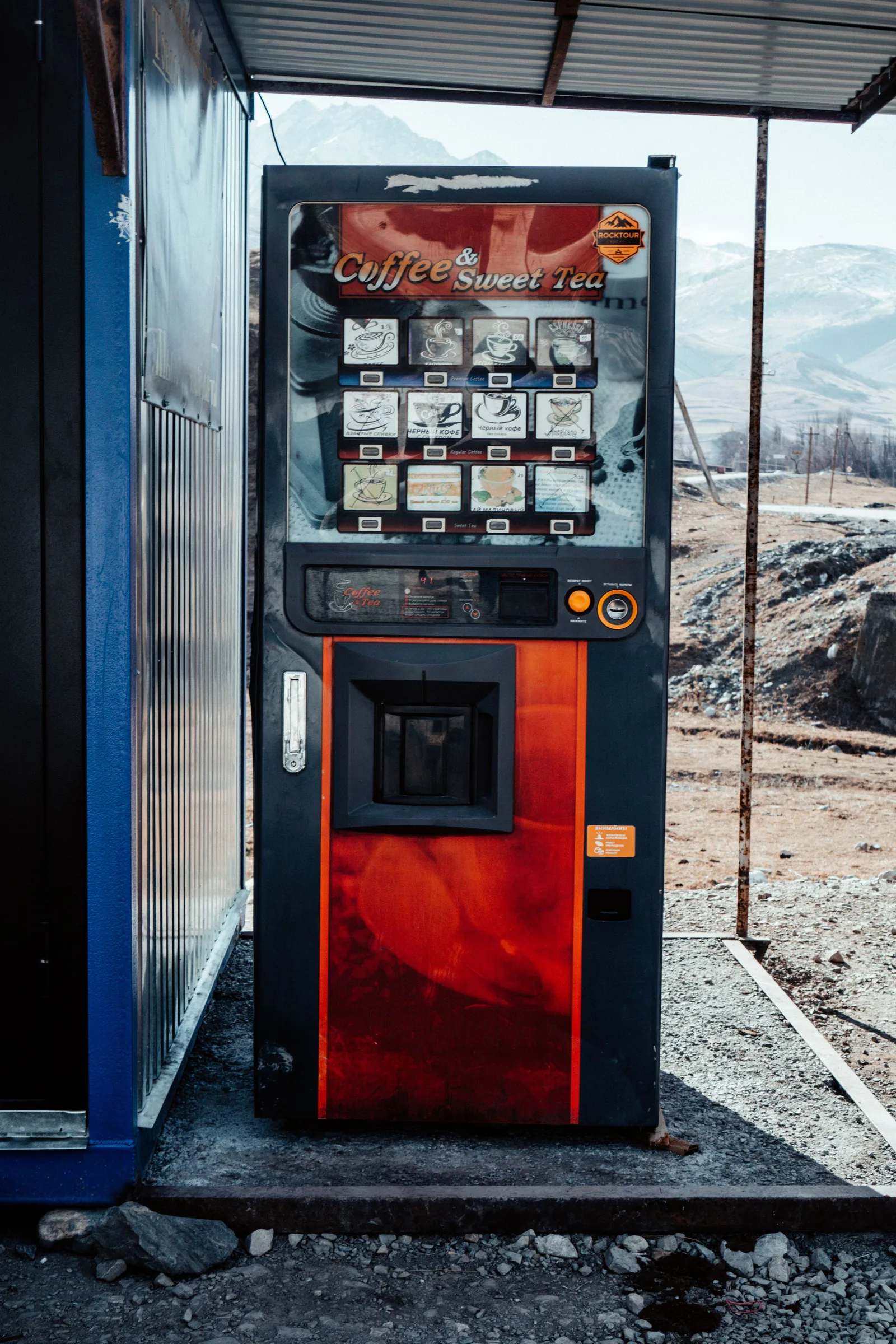
In a hotel, a station, an office, a hospital, a gas station, it is something else again. Coffee becomes a marker of rhythm, of comfort, sometimes of fatigue. We can smile at hospital coffee, but for the person drinking it at three in the morning in a too-white corridor, it is not a detail. That coffee has no need to think it is in a championship final. It has to be stable, legible, comforting, clean. And that is already no small thing.
That is why setting great coffee against accessible coffee makes little sense. The real question is rather: accessible to what, for whom, at what moment?
A highly fermented, highly aromatic coffee can create a magnificent shock in a guided tasting. But if the same coffee arrives in a vending machine, without explanation, in front of someone expecting a mild, familiar coffee, it can become incomprehensible. Conversely, a rounder, more stable blend, less spectacular on a cupping table, can be much more relevant in a daily, repeated extraction, with little margin for error.
That is not giving up the standard. It is changing the way it is placed.
The standard doesn't always consist in pushing coffee toward the rarest, most expressive, most differentiating profile. Sometimes it consists in building a more regular, softer, more understandable cup, better suited to real use. That is not less noble. It is just less demonstrative.
And perhaps that is exactly what bothers people.
In coffee, we love what can be seen: atypical processes, rare varieties, spectacular tasting notes, precise extraction methods, impressive machines. All of that has its interest. But a large part of quality is decided in more discreet choices: a roast profile suited to the use, a better-thought-out solubility, a more stable texture, a held bitterness, a legible acidity, a coffee that stays good even when conditions are not ideal.
These are qualities that are less easy to tell, but much more useful in real life.
This is also where certain intermediate approaches become important. Coffees or processes able to create more sweetness, more roundness, more legibility, without falling into neutral or standardized coffee. Coffees that don't try to impress immediately, but to open a passage. They don't simplify coffee. They make access to it more natural.
There is a form of humility in that.
Accepting that a coffee can be excellent and ill-suited. Accepting that a less spectacular coffee can be more fitting. Accepting that a consumer is not always asking for complexity, but still deserves a well-thought-out cup.
Because at bottom, the most relevant coffee is not always the one that tells professionals the most. It is sometimes the one that manages to say something clearly to the person drinking it.
And that calls for another kind of precision.
Not only the precision of the laboratory, of cupping or of the spec sheet. A precision of use. A precision of context. An almost social precision.
So the question is not only: what is the best coffee?
It becomes: best for what, for whom, and at what moment?
And as long as we don't ask this question, we risk confusing excellence with demonstration. Which is tempting, of course. But rarely enough to move taste forward beyond the converted.
Chapter 7 · Passing on without imposing
At this stage, a question becomes hard to avoid: if coffee evolves, how do we make sure this evolution does not stay locked in a circle of insiders?
Because producing a more precise, better sourced, better roasted, better extracted coffee is one thing. Making sure it is understood, desired, accepted is another. And that is often where the trade becomes less comfortable.
In coffee, we often use the word “educate.” Educate the consumer. Educate the market. Educate about taste. In substance, the intention can be good: give keys, explain, pass on. But the word is a trap. It quickly sets up a vertical relationship: the one who knows on one side, the one who must learn on the other. And frankly, nobody wants to drink their coffee feeling behind on an invisible school curriculum.
The point is not to educate. It is to accompany.
Accompanying does not mean giving up the standard. It does not mean saying everything is equal, that every preference erases any notion of defect, that a burnt coffee becomes respectable because “to each their own taste.” Let's be serious for a moment. There are badly made coffees. There are failed extractions. There are real defects.
But accompanying means understanding that someone's taste always starts from somewhere. You don't move a habit by despising it. You don't make someone want to discover something else by telling them that what they have loved for twenty years is rubbish. Even when you think it very strongly. This is where we normally take a breath.
The real difficulty is finding the right point of contact.
For some, it will be a softer, rounder coffee that keeps enough landmarks to reassure while opening toward more precision. For others, it will be a simple comparison between two cups. For still others, it will be a better extraction of a familiar profile, before even talking about a rare origin or a complex fermentation.
We often underestimate the power of these small steps.
In many cases, the problem is not that people refuse quality. It is that we offer them a step that is too high, too fast, with too much vocabulary around it. We sometimes want to take them straight to a floral, light, complex coffee, when they haven't yet had the chance to tell bitterness, intensity, acidity, freshness and texture apart. Result: they drop out. And afterward, we conclude they are “not ready.”
Maybe they were not ill-disposed. Maybe we simply built the passage badly.
Passing on, in coffee, means accepting to choose what we say, when we say it, and why we say it. Not everything needs to be explained immediately. A producer, a variety, a process, an altitude, a tasting note, an extraction recipe, a roasting method… all of it can be fascinating. But if everything arrives in one block, the information no longer helps. It becomes noise.
The right information is not the one that proves we master our subject. It is the one that helps the other person better experience what they are drinking.
Sometimes a sentence is enough: “this one will be softer and chocolatey,” “that one will be fruitier and livelier,” “if you like strong coffees, go for this one instead.” That is not less noble than a technical speech. It is just more useful at that moment.
And this point holds as much for the general public as for professionals. In restaurants, hotels, companies, vending, the transmission cannot be the same as in a specialty coffee shop. The constraints are not the same, nor is the time available, and even less the expectations.
A server in the middle of service doesn't need a treatise on anaerobic fermentation. They need a few reliable landmarks to serve correctly and answer simply. A customer ordering a coffee after dessert doesn't necessarily want a masterclass. They perhaps just need a coherent cup, and the right word if the difference intrigues them.
Perhaps that is the real role of the professional: not only raising the level, but making that climb possible.
Building bridges rather than asking people to jump the ravine.
And these bridges can take many forms: coffees better suited to uses, simpler words, more stable recipes, better-chosen machines, more concrete training, comparative tastings, more legible menus, profiles that open a door instead of putting up a barrier.
Passing on is not an optional extra. It is a condition of evolution.
Without it, coffee progresses technically but remains culturally stuck. We produce finer coffees for people who don't always know how to read them. We develop more precise discourses for audiences who don't yet have the basic landmarks. We improve the material, but we sometimes miss the encounter.
Coffee doesn't need us to lower the level. It needs us to work better on the passages.
And that calls for a rather rare form of humility: accepting that expertise is not there to show how far we can go, but to understand where the other can come in.
Conclusion · Coffee changes, but our landmarks change more slowly
At bottom, coffee has perhaps never evolved as much as it does today.
Producers experiment more, processes diversify, roasting gains precision, machines become more stable, professionals speak better about origin, traceability, extraction, freshness. Everything seems to be heading toward more mastery. More reading. More standards.
But our landmarks do not move at the same speed.
You can change an extraction recipe in a few minutes. You can adjust a roast in a few trials. You can select a cleaner, more expressive, more coherent coffee. But changing what a person recognizes as a “good coffee” is something else. There, we are no longer working only with a material. We are touching a memory, a habit, an image of taste.
That is probably why debates around coffee quickly become more complex than they look. It is never only manual or automatic. Tradition or modernity. Specialty or mass market. Market ahead or market behind. These oppositions reassure, but they explain poorly what is really at stake.
Reality is more nuanced, and therefore less comfortable.
A coffee can be technically excellent and ill-suited to the context in which it arrives. A manual machine can be magnificent in good hands, and become mere decor when it isn't mastered. An automatic solution can seem less noble, but better respect the cup in certain uses. A specialty coffee can open up a world, or give the impression that you must already know the password to get in.
None of this means we should give up the standard. Quite the opposite.
But perhaps we should stop believing that the standard is always found where it shows most. It is not necessarily in the most spectacular process, the most visible machine, the sharpest vocabulary or the rarest coffee. It can be in something more discreet: a coffee chosen for the right use, a stable extraction, a simple sentence, a legible menu, a cup that lands just right at the right moment.
And that is often where taste really moves forward.
Not always through rupture. Not always through shock. Sometimes through an experience a little better than the previous one. A bitterness better held. An acidity more understandable. A softer texture. A cleaner cup. More coherent service. A detail that makes someone say to themselves, without necessarily knowing why: “huh, I like this one better.”
That may be modest. But it is powerful.
Because a culture doesn't change only when experts go further. It changes when people who were expecting nothing in particular begin to perceive a difference. When a product stops being merely familiar and becomes a little questionable again. When a habit doesn't disappear, but widens.
So perhaps the next stake for coffee is not only to produce more precise cups. It is to learn to bring them into lives that were not yet expecting them.
Without contempt. Without giving up. Without turning every coffee into an exam.
Just with this simple idea: a better coffee is not only a better-made coffee. It is a coffee that manages to find its place, at the right moment, for the right person, with enough accuracy to open something.
And if this opening is small, that's fine.
Cultures don't always change through revolution.
Sometimes, they change cup after cup…